


UT Southwestern’s Urgent Discovery Could Revolutionize Treatments
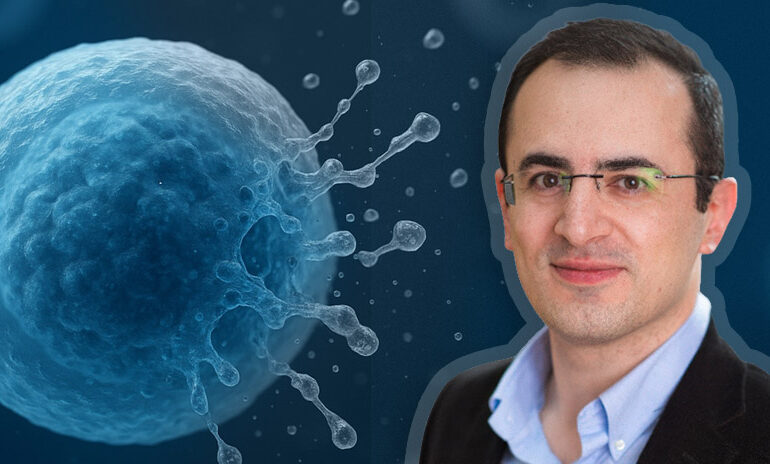

BREAKING: Researchers at UT Southwestern Medical Center have made a groundbreaking discovery that could transform treatment options for severe infections, inflammatory diseases, and various cancers. The team has identified a protein, SIGLEC12, that plays a crucial role in necroptosis, a form of programmed cell death that can lead to serious health complications. This urgent finding was published in the journal Nature and could pave the way for new therapies targeting conditions such as Crohn’s disease, Alzheimer’s, ALS, and numerous tumors.
The study, led by Ayaz Najafov, an assistant professor at UT Southwestern, highlights a “previously unknown, druggable control point” in the necroptosis process. Najafov explains that while programmed cell death is vital for clearing damaged cells, necroptosis can escalate during inflammation, causing harmful effects when triggered by infections or chronic diseases.
Why it matters: This discovery is critical as necroptosis releases distress signals that attract immune cells to combat infections. Najafov emphasizes that understanding this process can lead to targeted treatments that mitigate the detrimental impacts of excessive necroptosis.
The research utilized CRISPR gene editing to disable individual genes in human cells, revealing that cells lacking SIGLEC12 did not rupture during necroptosis, despite the presence of other proteins. This pivotal finding indicates that TMPRSS4, a protein that activates SIGLEC12, is essential for the membrane rupture process. The researchers demonstrated that merely increasing the level of SIGLEC12 was insufficient for membrane rupture, underscoring its specific role in cellular response mechanisms.
Moreover, the study revealed that cancer cells often possess mutations in SIGLEC12 that hinder its function, allowing them to survive longer and resist necroptosis. This trait could contribute to their resilience against treatments, highlighting the need for therapies that target this pathway. Najafov noted that mutations in SIGLEC12 could affect an individual’s susceptibility to infections and inflammatory diseases, emphasizing the urgent need for further investigation.
Next steps: The research team is optimistic that drugs targeting either SIGLEC12 or TMPRSS4 could be developed to manage conditions where necroptosis is a contributing factor. The potential for these treatments to address multiple serious health issues is significant, suggesting a new frontier in medical research and patient care.
This urgent update underscores the importance of further exploration into necroptosis and its implications for human health. The findings from UT Southwestern not only represent a leap forward in understanding cell death mechanisms but also offer hope for innovative treatments in the near future.
Stay tuned for more updates as this story develops.