
Urgent Update: Adm. Mitch Bradley Defends Controversial Strike Decisions
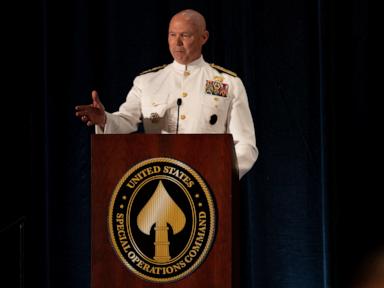

UPDATE: Adm. Frank “Mitch” Bradley, the commander at the center of the controversial September 2 strikes on an alleged drug-running boat in the Caribbean Sea, is set to brief lawmakers on Capitol Hill this Thursday. This urgent inquiry follows the fallout from a second strike that killed survivors from the initial attack, raising pressing questions about military engagement rules.
The incident has sparked intense debate, especially as two survivors were reportedly seen returning to the boat after the first strike. Sources confirm they were later killed in a follow-up attack, deemed necessary as they were allegedly still in communication with other vessels and attempting to recover cargo. This situation has raised alarms about the legality of the strikes, with critics arguing that the survivors were no longer combatants.
Defense Secretary Pete Hegseth stated that it was Bradley who ordered the second strike, emphasizing support for the admiral’s decision. Hegseth noted, “Admiral Bradley made the correct decision to ultimately sink the boat and eliminate the threat.” This endorsement from the administration comes amid growing scrutiny from lawmakers and the public.
Adm. Bradley, a three-star admiral and leader of the Joint Special Operations Command, has a distinguished career as a Navy SEAL officer, having deployed to Afghanistan shortly after the 9/11 attacks. His leadership during sensitive operations has made him a respected figure in military circles, yet this incident has placed him under the spotlight.
Retired Navy Commander Eric Oelerich, a former SEAL and current ABC News contributor, praised Bradley’s leadership qualities, stating he is “one of the most intelligent officers” in the military and a mentor to many. This sentiment is echoed by retired Brig. Gen. Shawn Harris, who described him as “an outstanding leader,” reinforcing the admiral’s reputation even as he faces scrutiny.
During his recent confirmation hearing to lead U.S. Special Operations Command, Bradley emphasized the importance of preventing civilian harm, stating, “It is critical to our success and competition to represent our values.” This commitment now faces a significant test in light of the September strikes.
The administration maintains that the individuals killed in the strikes were not civilians but rather terrorist combatants, justifying the military actions under self-defense grounds. However, legal experts, including former military lawyers, express concerns that the follow-up strikes may have violated engagement rules, as the survivors were no longer actively fighting.
As the inquiry unfolds, all eyes will be on Bradley’s testimony and the potential implications for U.S. military operations. Lawmakers are expected to probe deeper into the decision-making process surrounding the strikes, which have claimed a total of 11 lives in this incident alone, adding to the more than 80 killed in similar strikes in the Caribbean and eastern Pacific.
This developing story highlights critical issues regarding military ethics and engagement protocols, sparking discussions that could redefine operational standards for U.S. forces. The outcome of this inquiry may have lasting impacts on how military actions are conducted in sensitive scenarios.
Stay tuned for updates as this story progresses, with implications not just for military strategy but for the values that underpin the U.S. armed forces.