


Urgent Discovery: Immune Pathway Revealed to Combat Autoimmunity
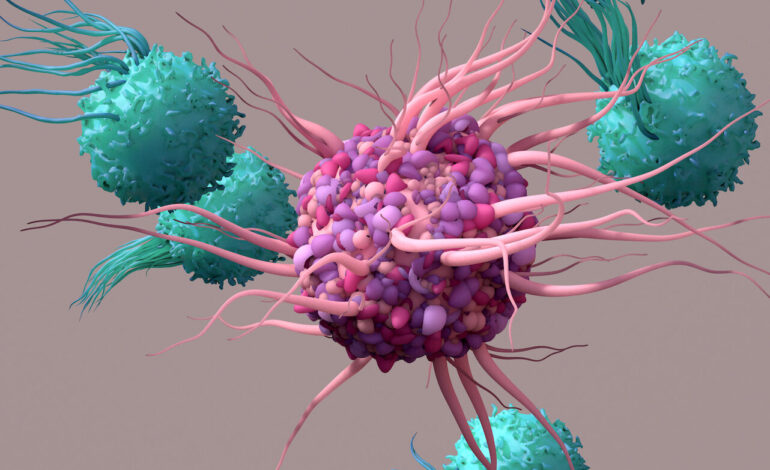

New research from Stanford University School of Medicine has unveiled a pivotal immune signaling pathway that could revolutionize the treatment of autoimmune diseases and cancers. This breakthrough, revealed in a study published in Nature, shows that manipulating this pathway allows immune cells to either attack or tolerate other cells in the body. This urgent finding could lead to significant advancements in therapies for conditions such as rheumatoid arthritis, multiple sclerosis, and various cancers.
UPDATE: The study, led by Edgar Engelman, MD, PhD, and Xiangyue Zhang, PhD, highlights the role of erythropoietin (EPO) in regulating immune responses. Previously considered primarily for its role in red blood cell formation, EPO is now recognized as a crucial player in immune tolerance, specifically through its interaction with dendritic cells.
The research was conducted in mice, where scientists irradiated the thymus, spleen, and lymph nodes to eliminate most T and B cells, preserving the antigen-presenting cells. This allowed the team to observe how these cells reacted in the absence of competing immune responses. They discovered that the EPO receptor’s expression spiked in dendritic cells after irradiation, indicating a robust immune modulation mechanism at play.
Engelman emphasized the significance of this discovery: “It’s fascinating that this fundamental mechanism took so long to discover. I believe that manipulation of this pathway will eventually be used to treat a wide range of diseases.” The study also builds on prior work that established the connection between EPO and immune responses in tumors, suggesting EPO’s potential as a master immune regulator.
The implications of these findings are profound. By activating regulatory T cells (Tregs) through the EPO signaling pathway, scientists can potentially suppress harmful immune responses while avoiding damage to healthy tissue. This discovery is especially crucial as overactive immune responses are responsible for autoimmune disorders, while underactive systems can lead to unchecked tumor growth.
As the scientific community processes these urgent findings, the next steps will focus on translating this knowledge into clinical applications. Researchers are optimistic about the potential to develop therapies that could dramatically alter the course of autoimmune diseases and improve cancer treatment strategies.
This groundbreaking research comes at a time when the need for innovative solutions to autoimmune and cancer therapies has never been greater. The findings not only enhance our understanding of immune tolerance but also open avenues for targeted therapies that could save countless lives.
Stay tuned for ongoing updates as this story develops and the implications for treatment strategies unfold.