
Urgent Call to Boost Maine’s Arts: $2.5B Economic Opportunity at Risk
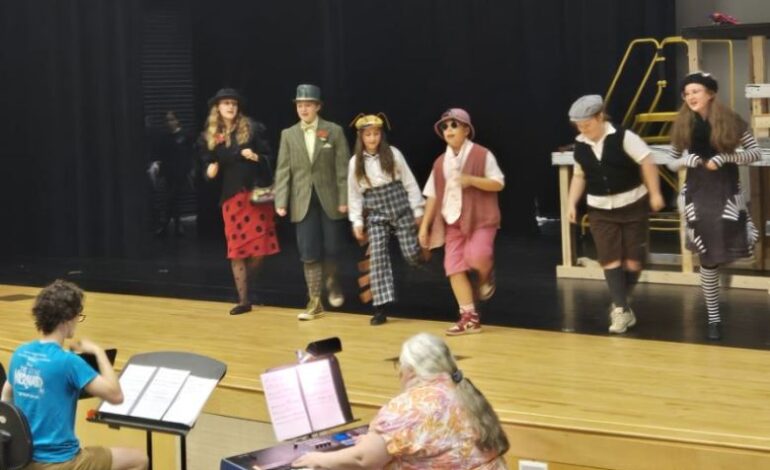

UPDATE: A new push is underway to revitalize the arts in rural Maine, emphasizing its critical role in economic recovery. Katie Gilman, a Portland native now in New York City, is spearheading efforts to “rebuild the stages, reopen the rehearsal halls and bring thousands of performances back into our small towns.” This initiative comes as Maine faces a significant opportunity gap, particularly in its rural regions.
Maine’s creative industries contribute over $2.5 billion to the state’s GDP and employ more than 18,000 workers. However, the state consistently ranks among the lowest in arts funding, with most resources funneled into Greater Portland. This disparity leaves over 60% of Mainers in rural areas without access to vital cultural infrastructure.
Local economies in rural Maine are struggling, particularly as traditional industries like logging decline. The arts sector, generating a staggering $550.3 million annually, could be the key to revitalizing these communities. “The arts function as essential economic infrastructure,” Gilman stated, highlighting the pressing need for investment in this sector.
In 2022, 42% of Maine adults attended live arts performances, showcasing a high demand for cultural engagement. Yet, the arts infrastructure in rural areas remains severely underdeveloped, hindering community identity and economic progress.
The call for a statewide arts strategy is growing louder. While programs like Maine Expansion Arts awarded over $130,000 in rural grants in 2021, it is clear that these efforts are insufficient compared to the $5.6 million allocated to Portland in 2024.
As Maine endures long winters, arts centers are essential, offering welcoming spaces for cultural life and community connection. Research on rural creative placemaking indicates that towns greatly benefit from the arts by honoring local traditions and fostering community bonds.
Gilman reflects on her own upbringing, stating, “Had I grown up in rural Maine rather than Portland, I wouldn’t have had easy access to those formative opportunities.” This sentiment underscores the urgent need for immediate action to ensure all Mainers can benefit from the arts.
This situation presents a critical moment for Maine to rethink its arts funding strategy. Investing in local venues, nonprofit arts programs, and creative workforce pipelines could transform rural communities and harness the powerful economic potential of the arts.
As discussions continue, what happens next will shape the future of Maine’s cultural landscape. The local community, artists, and policymakers must unite to ensure that the arts are recognized not just as a luxury, but as a vital driver of economic growth and community identity.
Stay tuned for more updates as this developing story unfolds.