


UNESCO Recognizes Italian Cooking Rituals as Cultural Heritage
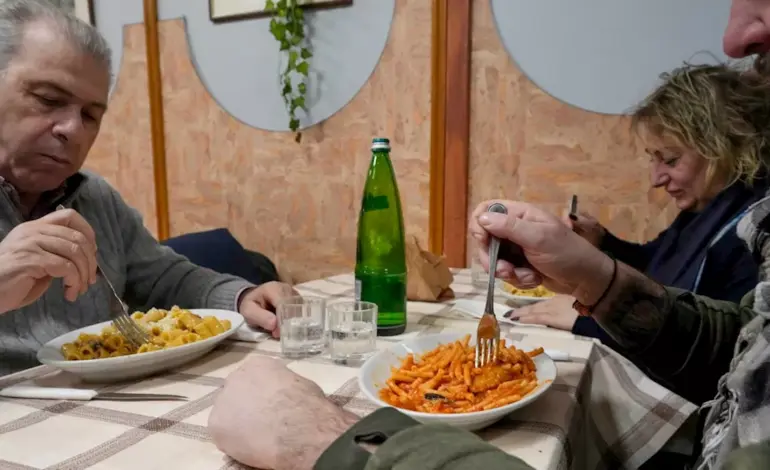

UPDATE: In a groundbreaking announcement, UNESCO has officially recognized the rituals surrounding Italian cooking and eating as a part of the world’s “intangible” cultural heritage. As of July 15, 2023, this designation highlights the deep cultural significance Italians place on culinary traditions, including the cherished Sunday family lunch and the art of cooking passed down through generations.
This recognition brings a fresh wave of pride to food lovers globally, celebrating iconic dishes like pizza, pasta, and tiramisu. The UNESCO committee emphasized the importance of these rituals in fostering community and familial ties, stating that cooking is “a gesture of love” and a way to share one’s identity.
Pier Luigi Petrillo, a prominent advocate in the Italian UNESCO campaign, expressed the weight of this honor, saying, “For us Italians, cuisine is not just food or a collection of recipes. It is culture, tradition, work, wealth.” He pointed out that the unique Italian tradition of taking time to savor meals is becoming increasingly rare in today’s fast-paced world.
The announcement was made during a meeting in New Delhi, where 53 nominations were considered for the representative list of intangible cultural heritage. Italy’s submission emphasized the sustainability and biocultural diversity of its culinary practices, showcasing a commitment to seasonality and minimizing waste.
Francesco Lenzi, a pasta maker at Rome’s Osteria da Fortunata, passionately declared the superiority of Italian cuisine, stating, “Nothing comes close.” He credited his grandmother’s influence on his cooking, recalling fond memories of making ravioli as a child.
Tourists and locals alike share this sense of reverence for dining together. Mirella Pozzoli, visiting Rome from the Lombardy region, highlighted the deep-rooted tradition of sharing meals with loved ones, saying, “It’s a tradition of conviviality that you won’t find anywhere else in the world.”
Italy now joins the ranks of other nations with recognized culinary traditions, including Spain’s cider culture and Senegal’s Ceebu Jen. With this new accolade, Italy reinforces its cultural legacy, now boasting 13 other items on the UNESCO intangible heritage list, including the celebrated Mediterranean diet.
As the impact of this recognition unfolds, experts anticipate a surge in tourism and interest in Italian culinary education. Petrillo noted that after previous recognitions, the number of accredited schools for Neapolitan pizza makers increased by over 400%.
The global community is now urged to celebrate and preserve these invaluable traditions, which not only define Italian culture but also enrich the culinary landscape worldwide. As more people recognize the importance of shared meals and the stories they carry, the essence of Italian cuisine will continue to thrive for generations to come.
Stay tuned for further updates on how this UNESCO designation will influence Italy’s culinary tourism and cultural initiatives.