
Trump Administration Cuts Free National Park Days, Sparks Outrage
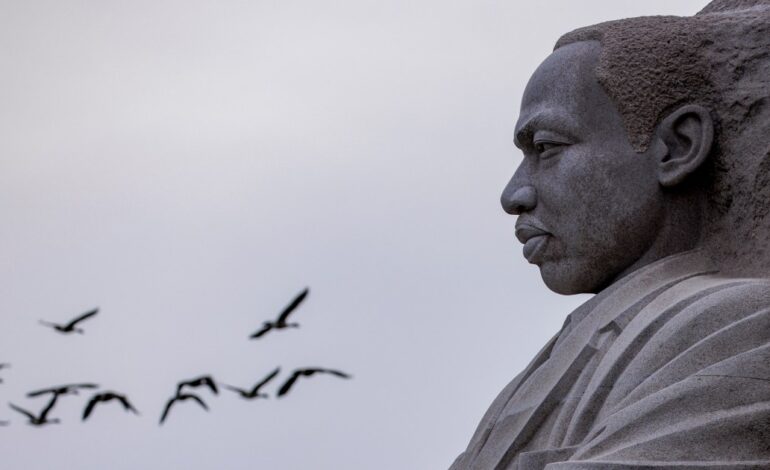

UPDATE: The Trump administration has just announced significant changes to the national parks’ free-entry days for 2026, sparking immediate controversy. In a move that eliminates Martin Luther King Jr. Day and Juneteenth from the list of fee-free days, the administration has replaced them with President Donald Trump’s birthday on Flag Day, June 14.
The Department of the Interior, led by Interior Secretary Doug Burgum, revealed the new policy last month, designating certain days as “resident-only patriotic fee-free days.” This shift has drawn sharp criticism from advocates who argue it undermines the significance of these historical observances.
Free admission days for 2026 now include President’s Day in February, Memorial Day in May, Flag Day/Trump’s birthday in June, Independence Day weekend in July, the 110th Birthday of the National Park Service in August, Constitution Day in September, Theodore Roosevelt’s birthday in October, and Veteran’s Day in November. Notably, Veteran’s Day has previously been a recognized fee-free day, while the first day of National Park Week in April has been excluded from the new list.
This announcement comes as part of a broader trend by the Trump administration to reshape national narratives around historical figures and events. Earlier this year, the National Park Service faced backlash for removing content related to Harriet Tubman and the Underground Railroad, although the agency later restored this content amid public outcry.
Officials have confirmed that the new fee-free days will “only apply to US citizens and residents,” a shift from previous announcements that offered free admission to everyone. The decision has raised questions about accessibility and inclusivity for visitors to national parks, which are often viewed as national treasures.
As the changes go into effect, many are left wondering how this will affect attendance and engagement in the nation’s parks. Critics of the policy argue that the removal of significant historical days from the fee-free list reflects a broader effort to diminish the recognition of civil rights and cultural diversity within the national narrative.
The National Park Service has not yet commented on the backlash or on future plans for public engagement. With reactions pouring in from various advocacy groups and citizens alike, this story is developing rapidly.
Stay informed as we continue to monitor the situation and its implications for national park access and cultural recognition.