


Rubio Orders Immediate Return to Times New Roman Font for Diplomacy
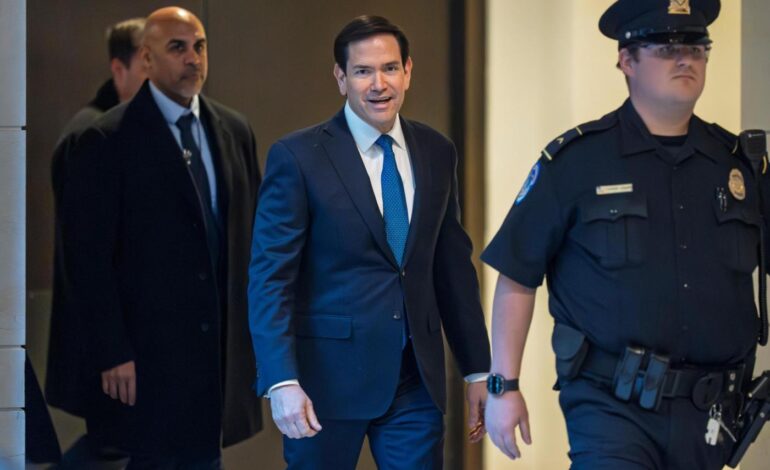

URGENT UPDATE: Secretary of State Marco Rubio has mandated a swift return to Times New Roman font for all U.S. diplomatic correspondence, effective Wednesday, October 25, 2023. This decision reverses the previous administration’s adoption of the Calibri font, which Rubio labeled as “wasteful” and “confusing,” claiming it undermines the dignity of official U.S. government documents.
In an official cable sent to all U.S. embassies and consulates on Tuesday, October 24, Rubio emphasized the importance of typography in conveying professionalism and formality in governmental communications. He stated that the 2023 transition to Calibri was influenced by “misguided diversity, equity, and inclusion” policies initiated by former Secretary of State Antony Blinken.
Rubio argued that the switch to Calibri did not achieve its intended goal of addressing accessibility issues for individuals with disabilities and pointed out that it cost the department approximately $145,000 without delivering any tangible benefits. He described the change as a “cosmetic” adjustment that ultimately degraded the quality of the State Department’s correspondence.
Since taking office in January, Rubio has been systematically dismantling DEI initiatives, in line with Donald Trump’s directive to all federal agencies. This includes terminating offices dedicated to promoting diversity and inclusion both in Washington and at overseas locations. Rubio’s approach reflects a commitment to reinstating merit-based standards across federal operations.
In the cable obtained by the Associated Press and first reported by The New York Times, Rubio stated, “Switching to Calibri achieved nothing except the degradation of the department’s correspondence.” He also noted that the use of Calibri conflicted with the traditional State Department letterhead.
The memo clarified that as of Wednesday, all templates for official documents must be updated to eliminate the Calibri font. However, documents prepared for international treaties and presidential appointments will still utilize Courier New in 12-point font as per existing requirements.
The decision has sparked debate about the implications of font choice in official documentation and its reflection on broader government policies. Critics argue that such moves detract from pressing issues facing the State Department and distract from meaningful dialogue on diversity and inclusion.
As this story develops, the impact of Rubio’s actions on the State Department’s culture and its international standing remains to be seen. What happens next could redefine how U.S. diplomacy is perceived globally, making this a critical moment for the department.
Stay tuned for updates on this significant shift in U.S. diplomatic communication practices.