


New Ohio Study Reveals 42% of Fatal Drivers Tested Positive for THC
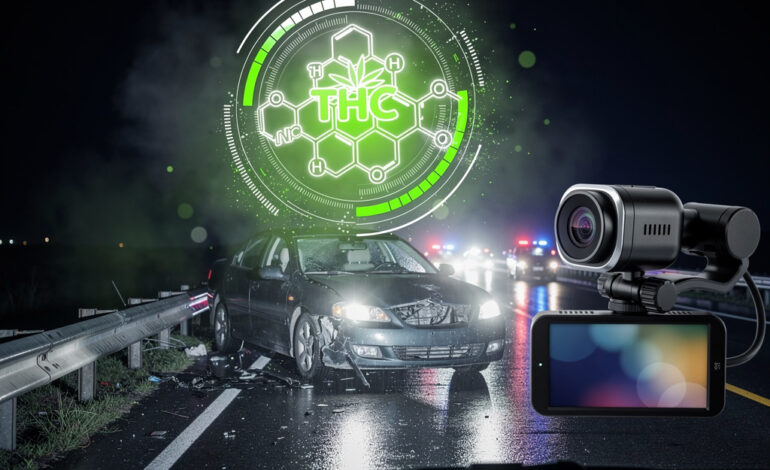

URGENT UPDATE: A groundbreaking study from Wright State University reveals that a staggering 42% of drivers who died in motor vehicle crashes in Montgomery County, Ohio, tested positive for THC, the active component in marijuana. Conducted over a six-year period from 2017 to 2022, this alarming statistic highlights a critical public safety issue that demands immediate attention.
Researchers analyzed coroner records and confirmed that the average blood THC level among these deceased drivers was an alarming 30.7 nanograms per milliliter, significantly exceeding impairment thresholds set by many states, which typically range from 2 to 5 ng/mL. The findings were presented at the American College of Surgeons Clinical Congress, underscoring an urgent need for enhanced education on cannabis use and driving safety.
Lead researcher Dr. Akpofure Peter Ekeh noted, “An average level of 30.7 ng/mL generally means those people must have consumed marijuana at some time close to driving.” This raises serious concerns about impaired judgment, slowed reaction times, and distorted perceptions—key factors in fatal accidents.
The data also reveals troubling comparisons with alcohol. Among the same group, 37.4% tested positive for alcohol, with an average blood alcohol concentration of 0.165%, which is double the legal limit of 0.08%. Alarmingly, around 20% of the deceased drivers had both substances in their systems, amplifying the risks of fatal crashes.
Despite Ohio legalizing medical marijuana in 2016, the study shows no decline in THC-positive fatalities from 2017 onward. This suggests that changes in policy have not effectively addressed risky behaviors. According to additional research, over 40% of fatal crash victims nationwide exhibit THC levels above legal limits, signaling a widespread and persistent problem.
Public sentiment is shifting, with growing concern about cannabis-related accidents. Anecdotal evidence shared on social media indicates that THC-positive driving may contribute to approximately 5,000 traffic deaths annually in the U.S. Experts are emphasizing that without robust public awareness campaigns similar to those for drunk driving, cannabis users may underestimate the risks associated with impaired driving.
Authorities are stressing the need for immediate action. The lack of reliable roadside tests for THC impairment complicates enforcement of driving laws. While experts currently use blood tests to determine cannabis presence, these tests do not always indicate acute intoxication, leaving a gap in effective law enforcement.
As the debate continues, transportation safety advocates are calling for innovations in testing and education. Proposals include developing standardized impairment tests and integrating cannabis education into driver training programs. Experts warn that without intervention, the troubling trend of drug-impaired driving could continue to rise.
In light of these findings, the American College of Surgeons urges policymakers and public health officials to act quickly. The average THC level of 30.7 ng/mL significantly impairs cognitive functions essential for driving, such as attention and motor coordination. This poses a “significant and persistent public health risk,” especially among younger drivers who may not fully grasp the implications of cannabis use.
As the landscape of cannabis legalization evolves, the implications for road safety cannot be overlooked. Experts highlight that the normalization of recreational cannabis use could dilute important safety messages. The need for educational campaigns is clear; similar to anti-drunk driving efforts, messages that “buzzed driving is drunk driving” must extend to cannabis as well.
The time for action is NOW. As researchers advocate for expanded studies to track cannabis use patterns and their impact on road safety, the urgency to address this issue intensifies. With the potential for innovative detection technologies on the horizon, there is hope for a proactive approach to prevent further tragedies on our roads.
As these developments unfold, the call for accountability and public awareness grows louder. With lives at stake, it is imperative to address the risks of THC impairment in driving to safeguard our communities.