


LA City Council Unanimously Expands Housing Conversions NOW!
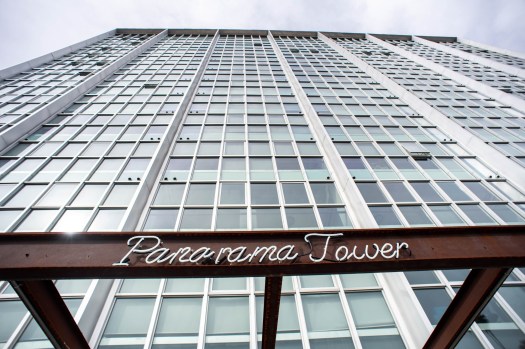

UPDATE: The Los Angeles City Council has just voted unanimously to expand the city’s adaptive reuse policy, paving the way for a significant transformation of vacant office and commercial buildings into urgently needed housing. This landmark decision, made on September 27, 2023, marks the first major change in adaptive reuse regulations in over two decades.
The newly passed ordinances will now extend adaptive reuse regulations beyond just Downtown, where they have primarily been limited until now. This expansion is crucial as many commercial spaces remain underutilized following the pandemic, creating an opportunity to address the city’s ongoing housing crisis.
The updated regulations will open doors to properties that previously fell outside the scope of the Adaptive Reuse Ordinance (ARO), which has successfully contributed to the creation of over 12,000 new homes in Downtown Los Angeles alone. The new policy introduces comprehensive changes, including incentives and streamlined approval processes designed to expedite conversions across the city.
City officials emphasize that these updates will broaden the types and ages of buildings eligible for conversion, allowing a wider variety of projects to gain approval by right. Importantly, developments that incorporate affordable housing will receive additional incentives, enhancing the city’s commitment to inclusive growth.
The revisions will apply citywide, except within the Downtown Community Plan area, which continues to operate under its own specific regulations. This adaptive reuse expansion is part of the broader Citywide Housing Incentive Program, a strategic initiative comprising six key approaches aimed at boosting housing production and meeting state-mandated housing goals.
Why This Matters RIGHT NOW: Los Angeles faces an acute housing shortage that has reached crisis levels, with many residents struggling to find affordable options. The council’s decisive action to convert empty offices into livable spaces is a vital step towards alleviating this pressing issue and enhancing community resilience.
As this policy unfolds, residents and developers alike will be watching closely for its impact on local housing markets. The city aims to facilitate rapid conversions of underused commercial spaces, stressing the importance of designing vibrant ground-floor uses that enhance public access and community interaction.
In the coming weeks, further details on implementation and specific projects are expected to be revealed, highlighting how Los Angeles plans to leverage this policy shift to meet its housing demands. Stay tuned for updates as this story develops, and consider sharing this urgent news with your networks to raise awareness about this significant change in housing policy.