

Innovative Video Game Achieves 80% Success Rate in Autism Diagnosis
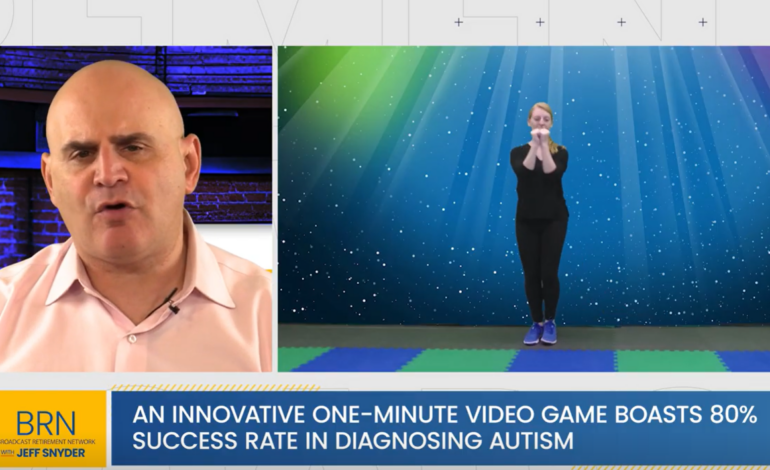

A new one-minute video game has emerged as a promising tool in diagnosing autism, boasting an impressive 80% success rate. Developed by researchers from Nottingham Trent University and the Kennedy Krieger Institute, this innovative method aims to streamline the diagnostic process, which can often be lengthy and complex for clinicians and families alike.
The game, known as CAMI, is designed to identify autism in children who frequently exhibit overlapping symptoms with other developmental disorders, such as attention deficit hyperactivity disorder (ADHD). During a recent segment on the Broadcast Retirement Network, Jeffrey Snyder spoke with Dr. Bahar Tuncgenc and Dr. Stewart Mostofsky about the challenges of diagnosing autism and the potential impact of CAMI.
Diagnosing autism is notoriously challenging, as noted by Dr. Mostofsky. He explained that the diagnostic process typically involves multiple practitioners with specialized knowledge. The complexity arises not only from identifying autism but also from distinguishing it from other developmental issues that a child may face. For example, a child may present with symptoms that suggest both autism and ADHD, complicating the assessment.
Dr. Tuncgenc highlighted the difficulties faced by parents navigating this landscape. In the UK, the journey to a definitive autism diagnosis can take up to three years within the National Health Service. This delay can lead to increased stress and financial burden for families seeking support and resources for their children.
The heterogeneity of autism further complicates the diagnostic process. Dr. Tuncgenc emphasized that autism manifests differently in each individual, making it crucial for practitioners to understand the specific needs of each child. The saying “if you’ve met one autistic person, you’ve met one autistic person” underscores this diversity. As a result, a thorough clinical assessment remains essential, but tools like CAMI could enhance the speed and effectiveness of the diagnostic process.
Dr. Mostofsky reiterated the importance of tailoring treatment plans to individual children. He compared the uniqueness of each child’s brain to that of a face, stating, “Everyone is different.” The introduction of technology in this field aims to better identify individual challenges and create personalized interventions that can significantly improve outcomes for children with autism.
As the conversation progressed, both doctors expressed optimism about the role technology can play in expediting the diagnostic process. By integrating tools like CAMI, clinicians could potentially reduce the time it takes for families to receive a diagnosis, allowing for earlier intervention and support.
The significance of a timely diagnosis cannot be overstated. Without it, many children miss out on essential support in educational and social environments. Dr. Tuncgenc noted that early diagnosis can facilitate necessary accommodations in schools and assist families in navigating their child’s specific needs.
The promise of CAMI and similar innovations represents a critical advancement in autism research and diagnosis. As these technologies develop, they may provide a much-needed boost to the diagnostic process, ultimately improving the lives of children and families affected by autism.
This discussion marks the beginning of a broader conversation about the intersection of technology and healthcare. As research continues, the CAMI team and other experts hope to further explore how such tools can complement traditional diagnostic practices, ensuring that children receive the help they need as swiftly as possible.