
Hollywood Reacts to Netflix’s $72 Billion Warner Bros. Deal
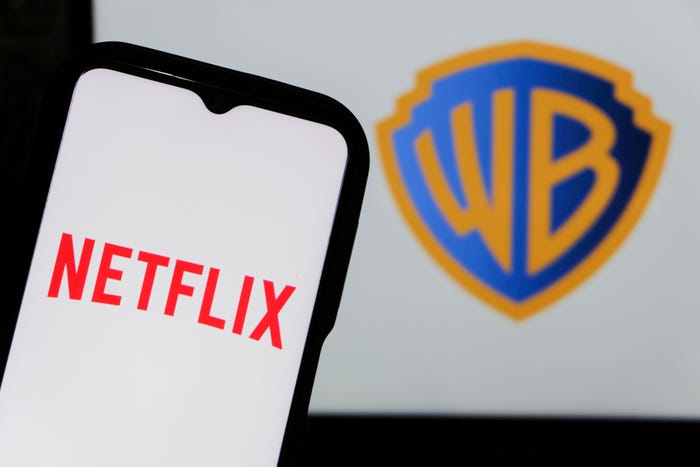

UPDATE: Netflix’s $72 billion acquisition of Warner Bros. has sparked immediate backlash from Hollywood insiders, raising alarms about the future of creativity and job security in the industry. Just announced, this blockbuster deal is being scrutinized for its potential to reshape the entertainment landscape.
Industry veterans are voicing their concerns, with many fearing that the merger could lead to significant job losses and a decrease in creative diversity. Jason Kilar, former CEO of WarnerMedia, expressed his alarm via X, stating, “If I was tasked with doing so, I could not think of a more effective way to reduce competition in Hollywood than selling WBD to Netflix.”
The acquisition, pending regulatory approval, would allow Netflix to absorb one of Hollywood’s pivotal studios, raising fears of fewer buyers for TV and film projects. This consolidation could jeopardize the livelihoods of countless industry professionals. Mike Schur, creator of Parks and Recreation, echoed this sentiment on Bluesky, warning that “fewer companies means fewer jobs, period.”
The Writers Guild of America (WGA) has officially condemned the deal, asserting it would “eliminate jobs, push down wages, worsen conditions for all entertainment workers, raise prices for consumers, and reduce the volume and diversity of content.” Similarly, the Directors Guild of America has expressed “significant concerns” about the impact on creativity and competition.
Hollywood heavyweights are weighing in as well. Notably, director James Cameron, known for box office hits like Titanic and Avatar, called the deal a “disaster” on the podcast The Town, criticizing Netflix’s historical dismissal of theatrical releases.
In response, Netflix has claimed that the merger will create “more jobs across the entire entertainment industry” and maintain Warner Bros.’ existing operations, including its theatrical release pipeline. Netflix co-CEO Ted Sarandos described the deal as “pro-worker,” aiming to reassure both employees and consumers.
However, theater owners are not convinced. Michael O’Leary, president of Cinema United, labeled the acquisition an “unprecedented threat to the global exhibition business.” This sentiment was echoed by UNIC, a European trade group for cinema owners, emphasizing the potential risks to the theatrical experience.
A prominent Hollywood producer, who spoke on condition of anonymity, highlighted the implications for theatrical exclusivity, stating, “Netflix is about to be a beast in the IP space.” This could mean that major titles like Batman and Harry Potter might be released on shorter theatrical windows, fundamentally changing the industry landscape.
Before the deal’s announcement, esteemed actress Jane Fonda warned in an op-ed for The Ankler about the dangers of industry consolidation. She stated, “We don’t need to know the final outcome to understand the danger,” reflecting widespread concern over potential impacts on creativity and the First Amendment.
As reactions continue to pour in, the future of the entertainment industry hangs in the balance. The ramifications of this massive deal are yet to be fully realized, and industry stakeholders are bracing for significant changes.
Stay tuned for updates as this developing story unfolds and as the industry adapts to the potential fallout from one of the largest mergers in Hollywood history.