
Foreigners Traveling to U.S. Face New Social Media Screening
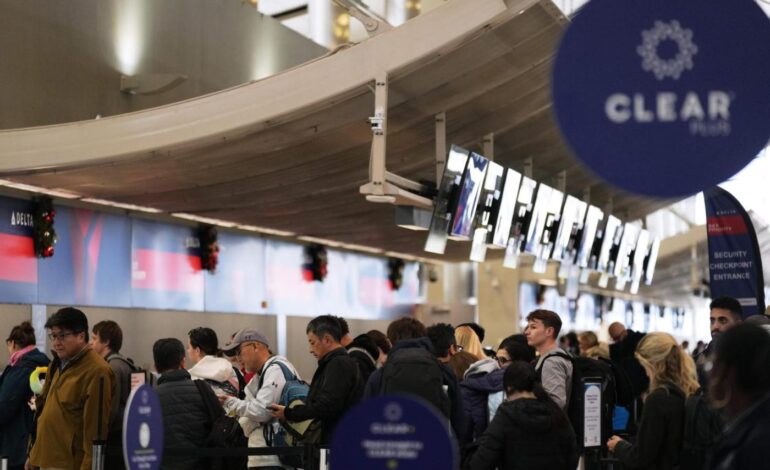

BREAKING: Foreign travelers entering the United States without a visa could soon be subjected to extensive new social media screenings. The Department of Homeland Security (DHS) announced plans that require travelers from select countries to submit detailed social media information, email accounts, and extensive family histories before being approved for travel.
The Customs and Border Protection (CBP) notice, published on March 15, 2023, outlines a proposal to collect up to five years of social media data from individuals participating in the Visa Waiver Program. This program allows citizens from approximately 40 countries, primarily in Europe and Asia, to visit the U.S. for tourism or business for up to three months without needing a visa.
Currently, travelers use the Electronic System for Travel Authorization (ESTA) to receive pre-approval for entry into the U.S. Unlike visa applicants, they typically do not attend an embassy interview. However, the new rules indicate a significant shift in the pre-travel scrutiny process, reflecting ongoing efforts to enhance national security amid rising concerns.
Under the proposed changes, travelers will be required to provide not only their social media handles but also a history of phone numbers and email addresses used over the past five to ten years. Additionally, applicants must disclose detailed information about their family members, including their birthplaces and contact numbers. This marks a considerable expansion from the limited questions currently asked, which include only parents’ names and an email address.
The public has 60 days to comment on these proposed changes before they come into effect. The announcement has raised eyebrows among civil liberties advocates, who express concerns over privacy and potential infringement on freedom of speech rights.
In a statement, a CBP spokesperson noted that the agency is acting in accordance with an executive order signed by former President Donald Trump in January 2023, which mandated increased scrutiny of individuals seeking to enter the U.S. While travelers from non-visa waiver countries have been required to disclose their social media accounts for some time, this will be a new requirement for visa-exempt travelers.
Critics argue that increased social media monitoring targets individuals who may hold dissenting views, heightening fears that such policies could suppress free expression. The shift also aligns with stricter immigration policies that have been implemented in recent months, including requirements for visa applicants to set their social media accounts to public, with the possibility of automatic visa denial for non-compliance.
As these developments unfold, travelers from visa waiver countries are urged to stay informed about the implications of these new requirements. The potential impact on personal privacy and the broader implications for international travel cannot be understated.
Next Steps: Observers will be watching for public feedback on the proposed rules and any adjustments that may be made before final implementation. The urgency of these changes highlights a critical moment in U.S. immigration policy, with significant implications for travelers worldwide. Stay tuned for further updates as this story develops.