


Denmark Drops Controversial VPN Ban Amid Public Outcry
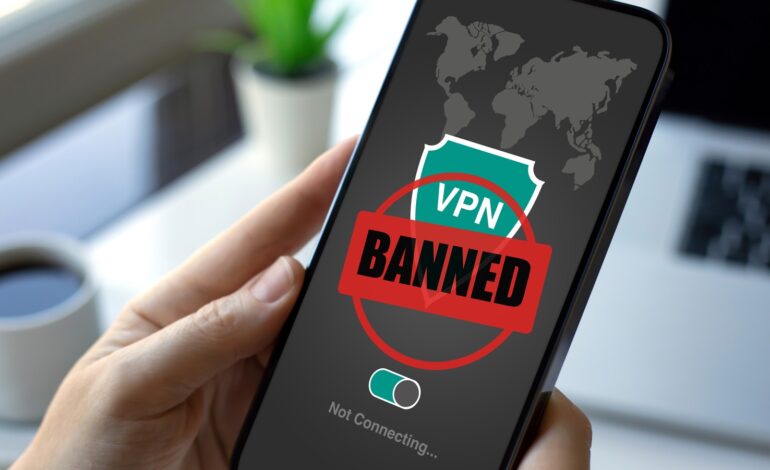

UPDATE: Denmark’s government has just announced a significant reversal regarding its proposed VPN regulations. Following intense public backlash, officials have confirmed that the controversial section of the bill aimed at regulating virtual private networks (VPNs) will be completely removed.
Earlier this month, a drafted bill sparked widespread concern among cybersecurity experts and privacy advocates. Critics warned that the bill’s broad language could potentially make it illegal for users to access any online content unavailable in Denmark, raising alarms about personal privacy and security.
The implications of such a ban could put millions of internet users at greater risk from online threats. VPNs serve crucial functions beyond illegal streaming; they encrypt internet connections, shield IP addresses, and protect personal data, especially on public Wi-Fi networks. The proposed restrictions ignited a fierce debate over internet freedom and governmental overreach in combating piracy.
Officials initially aimed to modernize Denmark’s copyright and broadcasting laws, which they argued were outdated and ineffective against new piracy methods. However, the failure to clearly differentiate between legal and illegal VPN usage in the bill led to significant public outcry.
Now, following the backlash, Culture Minister Jakob Engel-Schmidt has stated that the government will withdraw the VPN-related provisions entirely. This decision reflects a growing recognition of the importance of online privacy and security among citizens.
The debate around VPN usage is not unique to Denmark. Similar discussions are unfolding globally, including a proposed VPN ban in Michigan in late 2025 and rising VPN utilization in the United Kingdom in response to new online safety laws.
Authorities point out that when governments impose restrictions on internet use, users often turn to VPNs as a workaround. This pattern can be seen in Denmark, where the initial proposal could have led to increased VPN usage as citizens sought to maintain their online freedoms.
Denmark’s policymakers have faced scrutiny before, notably during the European Union’s “Chat Control” initiative, which aimed to scan users’ private communications for illegal content. That initiative was also scaled back in response to public concerns, highlighting a trend of lawmakers navigating the delicate balance between regulation and personal freedom.
For now, the removal of the VPN section has quelled immediate fears, but the issue is far from resolved. The finalization of the copyright bill will continue to be a topic of debate, and citizens are urged to stay informed as discussions progress.
As Denmark navigates these complex issues, the outcome could set a precedent that impacts internet freedom globally. Citizens and experts alike will be watching closely for further developments.