


Capitol Hill Debates Urgent AI Risks Amid Explosive Growth
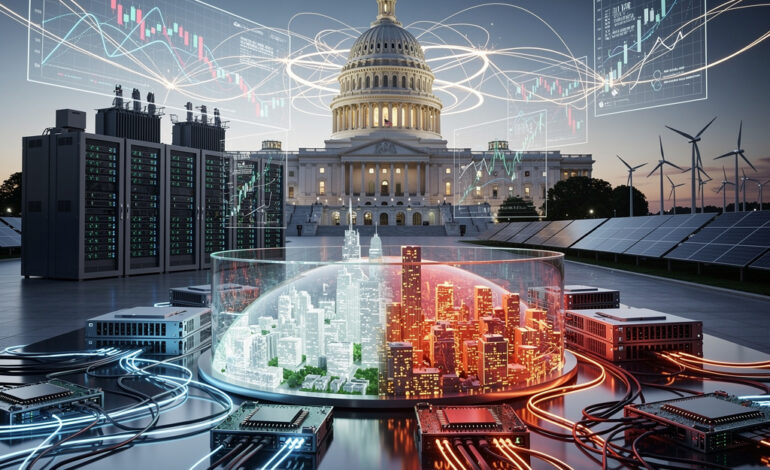

UPDATE: Lawmakers on Capitol Hill are urgently grappling with the implications of the booming artificial intelligence (AI) sector as concerns rise about a potential economic bubble. The conversation has intensified following significant gains in AI-related stocks, notably from companies like Nvidia, whose valuations have skyrocketed amid massive investments.
As of today, members of Congress are debating whether the unprecedented surge in AI investments could lead to sustainable growth or signal a bubble on the brink of bursting. Rep. Alexandria Ocasio-Cortez has raised alarms about the risks to ordinary Americans, echoing fears of past economic downturns. Her comments come as the broader economic landscape begins to show signs of strain from AI’s rapid expansion.
The urgency of this discussion is underscored by recent market dynamics. AI-driven stocks have propelled much of the U.S. market’s gains, yet skeptics warn that the hundreds of billions in capital expenditures required for infrastructure may not yield immediate returns. This situation has prompted calls for potential federal oversight to avert a crisis that could ripple through the economy.
The societal implications are equally concerning. AI operations are straining electrical grids, raising questions about energy demands and their impact on existing resources. Experts like Laurie Garrett have highlighted the risk of overwhelming power supplies during extreme weather events, emphasizing that the AI narrative extends beyond technology to significant policy ramifications.
Amid this climate, politicians are split on how to address the challenges. While some, including Ocasio-Cortez, advocate for regulatory safeguards, others like Sen. Ted Cruz acknowledge uncertainties yet focus on the economic opportunities presented by AI. Bipartisan hearings have already begun, with the Senate Armed Services Subcommittee exploring AI’s integration into military strategies, stressing the importance of human oversight.
Industry leaders are also weighing in on the debate. OpenAI CEO Sam Altman has downplayed concerns about a bubble, while others like Bill Gates express cautious optimism. As lawmakers digest these perspectives, the pressure to formulate a cohesive policy response grows.
Energy consumption is emerging as a flashpoint, with AI data centers projected to demand electricity at unprecedented levels. Tech companies are now seeking federal backing for their infrastructure projects, raising concerns about overreliance on government support to sustain growth. The conversation has expanded to include the competitive landscape with China, where rapid energy capacity buildouts are critical to maintaining U.S. tech leadership.
Critics are drawing parallels to the 2000 dot-com bubble, suggesting that today’s AI enthusiasm is built on promises rather than proven revenue streams. Social media discussions reflect this tension, with analysts warning that AI’s current hype may lead to a similar fate as past tech manias. However, supporters argue that tangible applications in sectors like healthcare and finance differentiate AI from prior market bubbles.
Looking ahead, the potential for a “soft landing” is being discussed, as some experts anticipate gradual corrections rather than a catastrophic burst. The focus on AI’s impact on GDP is growing, with analyses indicating that data center expenditures could help insulate the economy from downturns while also concentrating risks.
In light of these developments, Capitol Hill’s scrutiny of AI is set to escalate. Hearings and proposed legislation will address not only economic risks but also ethical and security concerns tied to the technology. The ongoing discourse will likely shape political agendas leading into 2026, as lawmakers strive to balance innovation with the need for protective measures.
As the debate unfolds, the future trajectory of AI remains uncertain. With competition heating up globally, particularly against China, the stakes for U.S. leadership in technology are higher than ever. The urgent nature of these discussions means that outcomes will significantly impact both the economy and society at large, making this a critical moment in the evolution of AI policy.