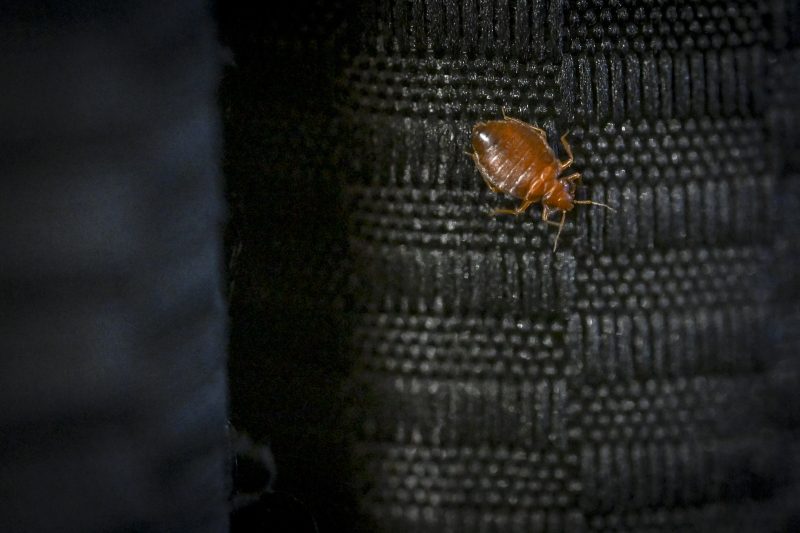

Biophobia Surges: Nature Fear Rising Among Global Populations

UPDATE: A groundbreaking review reveals that biophobia, or the fear of nature, is rapidly increasing among global populations. Researchers from Lund University and the University of Tokyo analyzed nearly 200 studies and found alarming evidence that more individuals are experiencing anxiety and discomfort in natural settings.
This urgent research, published in Frontiers in Ecology and the Environment, highlights a critical shift in human-nature interactions. As society becomes increasingly disconnected from the outdoors, the implications for mental and physical health are profound. The review indicates that an estimated 4 to 9 percent of people worldwide suffer from specific animal phobias, which can trigger overwhelming stress during encounters with wildlife.
But the issue extends beyond those with phobias. Many individuals, even without diagnosed fears, report significant unease around animals such as insects and reptiles. This widespread discomfort is keeping people away from parks and trails, spaces that are essential for fostering well-being.
Researchers emphasize that biophobia is often narrowly studied, predominantly focusing on fears of animals like spiders and mammals, while overlooking other harmless species. This gap in research limits understanding of why negative feelings towards nature are on the rise.
The root causes of biophobia are complex. Individual psychological factors, including anxiety sensitivity, play a significant role. Biological elements, such as age and genetics, also influence how people respond to stress in natural environments. Social dynamics are particularly impactful, with media coverage of rare wildlife attacks shaping public perceptions of danger in nature.
The consequences of increasing biophobia are tangible. Individuals who avoid nature report feeling less connected to the environment, and research links heightened biophobic reactions to stronger support for lethal wildlife control measures. This creates significant challenges for conservation efforts that rely on public backing.
A vicious cycle emerges: reduced outdoor time fuels fear, leading to even less exposure to nature. Over generations, this pattern threatens to erode humanity’s relationship with the natural world. The findings underscore the urgency for broader studies, as most research has been limited to Europe, leaving a gap in understanding the global scope of biophobia.
Researchers warn that when fear of nature becomes the default response, fewer people are motivated to engage with or protect it. The implications for environmental conservation are critical, as public support dwindles amidst rising anxiety.
As this urgent issue develops, experts call for more comprehensive research and public education to foster a healthier relationship with the outdoors. The future of our connection to nature hangs in the balance as biophobia threatens generations to come.
Stay tuned for further updates on this evolving story as researchers continue to explore the impacts of biophobia on society and the environment.