


AI’s Radical Future: Musk, Gates & Tech Leaders Discuss Wealth Shift
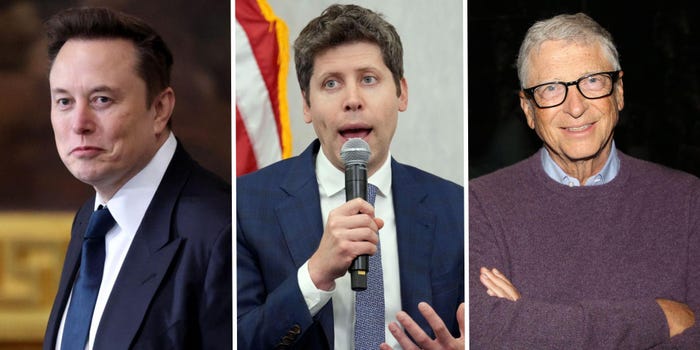

BREAKING: Tech leaders, including Elon Musk and Bill Gates, are urgently discussing a transformative future shaped by artificial intelligence (AI) that could redefine work as we know it. In a series of recent statements, they reveal visions of a world where traditional jobs may become obsolete, potentially ushering in an era of “universal high income.”
New reports confirm that Musk believes AI could lead to a future where everyone experiences unprecedented wealth. He envisions a landscape without poverty, suggesting that “work will be like a hobby.” During a recent podcast, Musk declared, “Everyone has abundance,” promising excellent healthcare and access to goods and services for all.
Meanwhile, Bill Gates has proposed a more gradual transition. He foresees a future where AI handles most tasks, allowing humans to enjoy reduced work hours—possibly a two- or three-day workweek. Gates emphasized, “These will be basically solved problems,” further indicating that AI could significantly enhance productivity.
In contrast, Sam Altman, CEO of OpenAI, advocates for a system of “universal extreme wealth,” where citizens share in AI’s profits through a Universal Basic Income (UBI) model. Altman expressed concerns about dependency on AI, but remains optimistic that humanity will adapt and find meaning beyond traditional work.
Nvidia’s Jensen Huang offers a more cautious perspective, questioning the simultaneous existence of Musk’s vision and UBI. He stated, “It’s hard to talk about infinity,” emphasizing the unpredictable nature of AI’s impact on society.
At the forefront of these discussions, Dario Amodei, CEO of Anthropic, stressed the need for society to redefine work’s role in life. He posited that work could shift from a necessity for survival to a pursuit of fulfillment, echoing sentiments from economist John Maynard Keynes about reduced work hours in the future.
In addition, Demis Hassabis, CEO of Google DeepMind, highlighted the potential for a “radical abundance” created by AI, noting that equitable distribution of resources will be crucial. He remarked, “If we get radical abundance, we should be in an amazing world for maybe the first time in human history.”
As these discussions unfold, the implications for the global workforce are profound. The shift toward AI-driven economies could redefine human purpose and economic structures. This urgent dialogue among tech giants signals a pivotal moment in our relationship with technology.
What happens next? As leaders continue to explore these ideas, the world watches closely. The future of work may soon evolve into something entirely unrecognizable, challenging societal norms and redefining success in the age of AI. Stay tuned for more updates on this rapidly developing story.