


Innovative Technologies Set to Transform Industries in 2026

As the tech landscape evolves, several innovative projects are gaining traction, poised to address significant challenges and reshape various industries by 2026. Each year, the editors of IEEE Spectrum compile a forecast issue that highlights groundbreaking technologies. This year, they have focused on initiatives that may not receive mainstream media coverage but have the potential to significantly advance technology for humanity’s benefit.
Groundbreaking Energy Storage Solutions
Among the notable innovations is the “bubble battery” developed by Energy Dome, based in Milan. This technology allows for grid-scale energy storage by compressing and decompressing carbon dioxide inside an inflatable dome, storing up to 200 megawatt-hours of energy. Senior Associate Editor Emily Waltz explored this promising solution during her visit to Sardinia, where the bubble battery’s modular design could serve as a vital resource for energy-intensive facilities, such as AI data centers.
Editorial insights from Senior Editor Samuel K. Moore reveal that while traditional energy storage often focuses on batteries, these innovative bubbles may prove to be even more effective. Moore noted that “these bubbles, which are in many ways more capable than batteries, will be sprouting up all over the place, often in association with computing infrastructure.”
Advancements in Data Center Technology
In addition to energy storage, the competition is heating up in data center infrastructure. Moore reported on two startups developing radio-based cables designed to replace conventional copper and fiber optic connections. These systems can connect processors located 10 to 20 meters apart, using only one-third of the power and cost of traditional methods. The integration of these radio connections with graphics processing units (GPUs) could alleviate cooling challenges and support the growing demands of AI technologies.
Another emerging medical technology is being pioneered by HistoSonics, which focuses on a noninvasive treatment for pancreatic cancer. Utilizing focused ultrasound to create cavitation bubbles, the company aims to destroy tumors without damaging surrounding tissue. This innovative approach comes at a critical time, as pancreatic cancer claims nearly 500,000 lives annually worldwide. HistoSonics is concluding kidney trials and launching trials for pancreatic cancer, signaling significant progress in cancer treatment.
Life-Saving Innovations in Aerial Technology
The rise of drone technology continues to be a focal point for IEEE Spectrum. The success of Zipline, which started with autonomously delivering medical supplies in rural Rwanda, has led to its expansion into multiple countries, including Japan and the United States. With a market capitalization of approximately US $4 billion and nearly 2 million drone deliveries completed, Zipline is a prime example of how technology can offer vital services in remote areas.
In a similar vein, journalist Robb Mandelbaum reported on the Wildfire XPrize competition, which aims to develop solutions for detecting and suppressing wildfires more efficiently than traditional firefighting methods. This initiative highlights the critical need for rapid response technologies in the face of increasingly devastating wildfires.
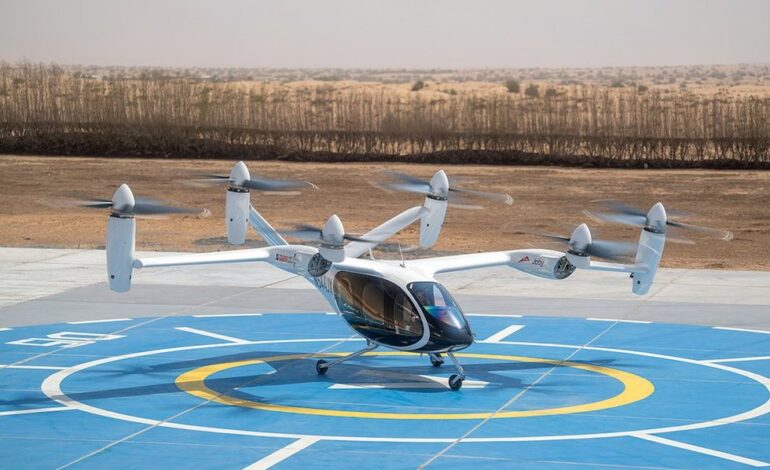
With a diverse range of technologies featured in this year’s issue, including Porsche’s wireless home charger for electric vehicles, the world’s first electric air taxi service, and developments in quantum computing, the future of technology looks promising. As these innovations continue to evolve, they may lead to significant advancements across various sectors, ultimately benefiting society as a whole.
As the IEEE Spectrum team continues to uncover these hidden gems, it remains to be seen which of these innovations will transition from concept to reality. The journey of these technologies reflects a commitment to harnessing science and innovation for the greater good, paving the way for a transformative future.