4 Reasons Why Some Tesla Owners Regret Their Purchase
While Tesla's brand image attracts many buyers, a growing number of owners regret their purchases due to manufacturing quality issues, unmet Full Self-Driving promises, steering problems, and CEO Elon Musk's controversial behavior.
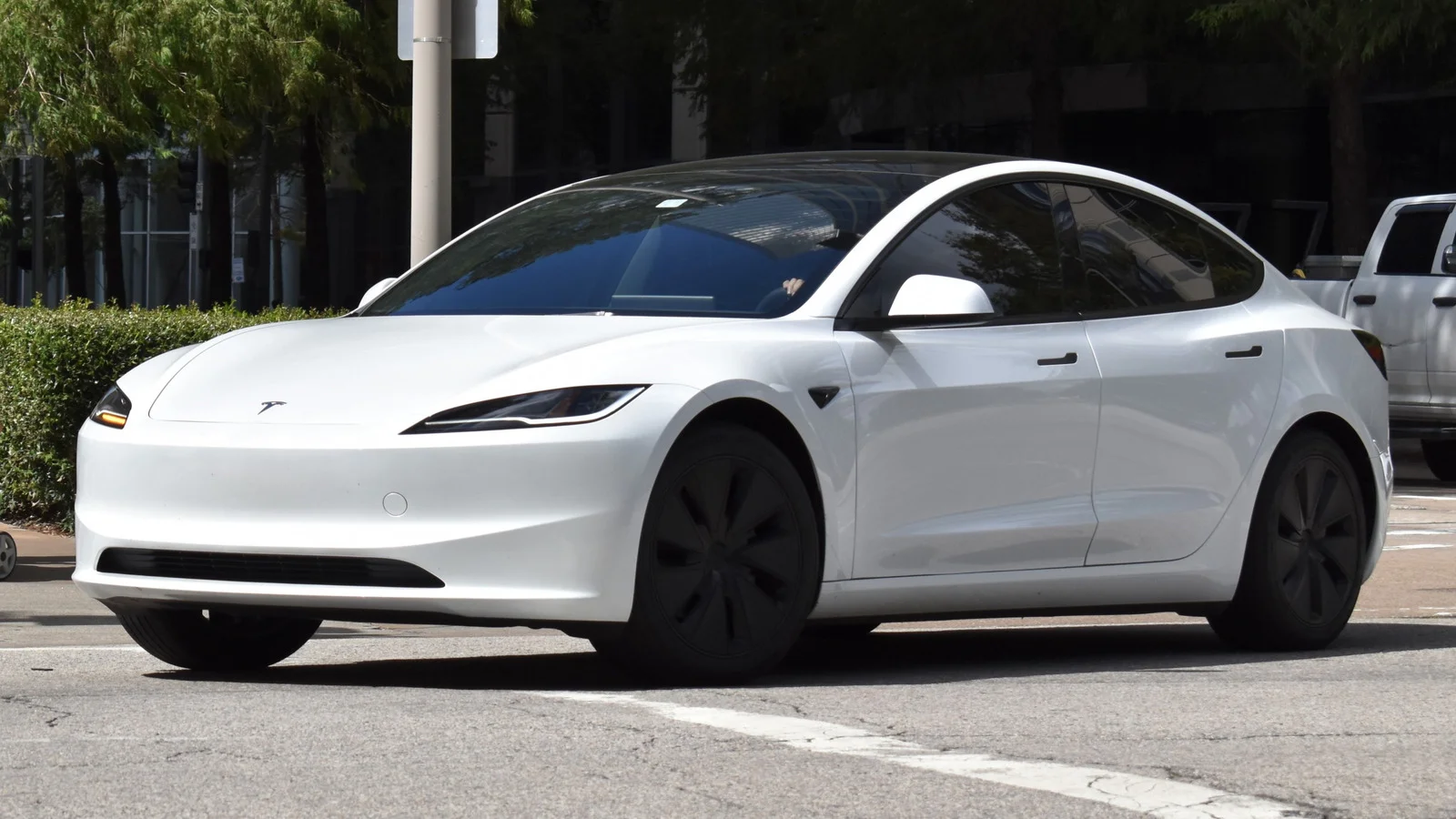
Tesla has successfully marketed itself as the pinnacle of electric vehicle innovation, attracting affluent buyers who want to make an environmentally conscious statement. However, a select group of Tesla owners have come to regret their purchases. It's important to note that "some" owners feel this way—not all, and certainly not most. This analysis relies on reputable sources including news outlets, NHTSA complaints, and lawsuits rather than anecdotal online claims.
Manufacturing Quality Issues
Tesla's manufacturing quality problems have become increasingly difficult to ignore. The company has faced criticism for notorious panel gaps, extensive Cybertruck recalls, and door handle failures that have allegedly trapped occupants in vehicles. A 2023 Reuters investigative report revealed that Tesla was secretly aware of numerous manufacturing defects on new vehicles but blamed owners rather than accepting responsibility.
The J.D. Power 2023 U.S. Quality Study ranked Tesla second to last in problems per 100 vehicles (PP100), receiving no awards for assembly line quality. Consumer Reports further confirmed this trend, ranking Tesla dead last in used car reliability as of late 2025. While Tesla has issued recalls for major issues, and the 2025 J.D. Power study shows improvement with a 200 PP100 score compared to 257 in 2023, the manufacturing concerns remain significant enough to deter some buyers.
Full Self-Driving Overpromises
Tesla's Full Self-Driving (FSD) system continues to underdeliver on its promises. Despite being marketed as autonomous capability, FSD requires constant driver supervision and intervention. Numerous YouTube videos demonstrate everyday drivers needing to take control of their vehicles during FSD operation, contradicting the "full self-driving" branding.
Multiple Tesla owners have expressed regret over FSD purchases. Tim Eden from The Driven stated he wished he'd invested FSD costs in Tesla stock instead, while Ed Butler pursued a refund for misadvertised features. A class action lawsuit in California targets FSD specifically. Older Tesla vehicles with Hardware 3 have stopped receiving FSD updates entirely, leaving owners unable to use features they paid for.
CEO Elon Musk has repeatedly and incorrectly predicted that fully autonomous Teslas would arrive within years—predictions documented in a Wikipedia article tracking his false claims. One Cybertruck FSD lawsuit directly blamed Musk for overpromising capabilities. While some users consider FSD competitive with other autonomous systems, the core issue remains Tesla's history of overpromising and underdelivering.
Steering and Suspension Problems
Tesla vehicles exhibit recurring steering and suspension issues including suspension failure, wheel problems, and steering difficulty. The NHTSA database contains numerous complaints about steering assist reductions, hard-to-turn steering wheels, loose steering components not covered under warranty, and steering wheels that can literally detach.
These problems became serious enough to trigger a four-year NHTSA investigation, which concluded with only a recommendation despite the federal government's extended scrutiny. Combined with manufacturing quality issues, these steering and suspension failures suggest Tesla requires significantly improved quality control in these critical safety areas.
The Elon Musk Factor
CEO Elon Musk's controversial behavior has directly caused some Tesla owners to regret their purchases and switch brands. Documented instances include a gesture at a political rally criticized as a fascist salute, reports of paying others to boost his video game performance, and his role in launching a government agency criticized for impacting public sector employment.
Bradley and Nicole Timm sold their Teslas specifically due to Musk's antics, with Polestar reporting increased customer acquisition from Musk-dissatisfied Tesla owners. Other owners maintain affection for Tesla vehicles while disliking their CEO. Some owners even place bumper stickers distancing themselves from Musk, while others fear vehicle vandalism from Musk critics.
A Creative Strategies study confirms this sentiment is growing, with some would-be buyers canceling Tesla orders because of Musk himself. Edmunds data shows Tesla trade-ins are at all-time highs coinciding with Musk's most controversial periods, demonstrating his measurable impact on brand loyalty and customer retention.