IOC Calls for Full Reinstatement of Russian Youth Teams in Sports
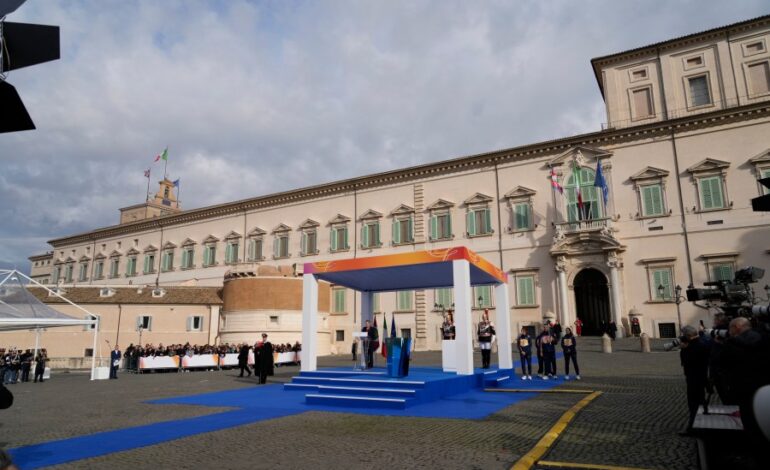

The International Olympic Committee (IOC) has made a significant move to reintegrate Russia and Belarus into the global sports community. On October 5, 2023, during an Olympic Summit held in Lausanne, Switzerland, the IOC advised sports governing bodies to allow youth teams and athletes from these countries to compete under their national flags and anthems.
This recommendation marks a pivotal shift in the IOC’s approach to the participation of Russian and Belarusian athletes in international competitions, following their suspension due to the situation in Ukraine. The IOC’s updated strategy emphasizes the importance of inclusivity in sports, particularly for youth athletes who have been impacted by geopolitical tensions.
The decision comes as part of a broader effort to ensure that athletes are not held accountable for the actions of their governments. The IOC believes that allowing these young competitors to represent their nations will help restore a sense of normalcy and unity within the sporting world. This initiative aims to foster a more diverse and inclusive environment, acknowledging the role of sports in bridging divides.
While the IOC’s guidance is non-binding, it carries significant weight in the sports community. Many international sports federations rely on the IOC’s recommendations when formulating their own policies. As such, the impact of this directive could be widespread, potentially leading to the return of Russian and Belarusian athletes to competitions, including major events such as the Olympics.
The IOC’s approach has sparked a mixed response. Advocates for athlete inclusion argue that the move is a step towards healing and reconciliation, allowing young athletes to pursue their dreams without political interference. Conversely, critics express concern that reinstating these teams could undermine the accountability measures established in response to the ongoing conflict in Ukraine.
The Olympic Summit also addressed various issues facing sports globally, including athlete welfare and the need for enhanced anti-doping measures. The IOC’s commitment to these discussions reflects its ongoing efforts to adapt and respond to the evolving landscape of international sports.
As the situation develops, national sports federations will need to weigh the IOC’s recommendations against their own policies and the sentiments of their respective governments. The coming months will be critical in determining how this guidance will influence the future of Russian and Belarusian athletes on the world stage.
In summary, the IOC’s latest directive represents a significant shift in policy, advocating for the inclusion of Russian and Belarusian youth teams and athletes in international competitions. This decision underscores the IOC’s commitment to promoting unity and inclusivity in sports while navigating the complex geopolitical landscape.