Woman Delivers Baby in Waymo Robotaxi on Route to Hospital
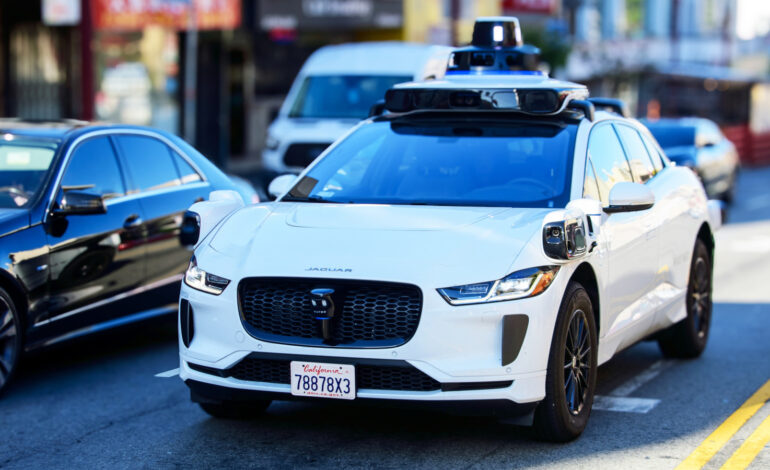

A woman unexpectedly gave birth inside a Waymo robotaxi while en route to the University of California, San Francisco Hospital earlier this week. This remarkable incident highlights the evolving role of autonomous vehicles in everyday life and raises questions about their reliability during emergencies.
As the woman was already in labor, she summoned the Waymo vehicle to take her to the hospital. While en route, the Waymo Rider Support Team detected “unusual activity” inside the vehicle. Upon realizing the situation, the team contacted the rider and promptly called 911 to ensure emergency assistance was on the way. Despite this, the robotaxi arrived safely at the hospital, delivering one additional passenger before emergency services could intervene.
Jess Berthold, a spokesperson for the University of California, San Francisco Hospital, confirmed the mother and baby’s arrival to NBC News. Although details regarding the new family remain scarce, Berthold indicated that the mother is not available for interviews. The public remains curious about the well-being of both mother and child, as well as whether the baby was given a name that reflects the unique circumstances of their arrival.
In a statement provided to media outlets including KRON4 and NBC News, Waymo expressed pride in being a reliable transportation choice for significant moments in life. The company stated, “We’re proud to be a trusted ride for moments big and small, serving riders from just seconds old to many years young. We wish the new family all the best, and we look forward to safely getting them where they’re going through many of life’s events.” Following the incident, Waymo confirmed that the vehicle involved was immediately removed from service for cleaning.
While robotaxis are still in the early stages of deployment, they do face challenges. Incidents such as failing to stop for school buses and other operational mishaps have raised safety concerns. Yet data suggests that Waymo’s autonomous vehicles are generally safer than human drivers. One medical professional even referred to them as “a public health breakthrough.”
During this extraordinary birth, the robotaxi maintained focus on its driving task without distraction. Unlike a human driver, who might react unpredictably in a high-stress situation, the Waymo vehicle adhered to its programmed safety protocols, which included neither speeding nor taking unnecessary risks.
In such urgent situations, an ambulance would typically be the preferred mode of transport. However, with rising healthcare costs, opting for a Waymo could represent a practical alternative during emergencies, particularly in urban environments where traffic can delay responses from emergency services.
The incident not only illustrates the capabilities of autonomous technology but also prompts a conversation about the future of transportation and healthcare integration. As society continues to embrace technological advancements, stories like this one will likely become more commonplace, redefining what we consider standard in moments of life and urgency.