


Trump Orders Marijuana Reclassification, Impacting Research and Taxation
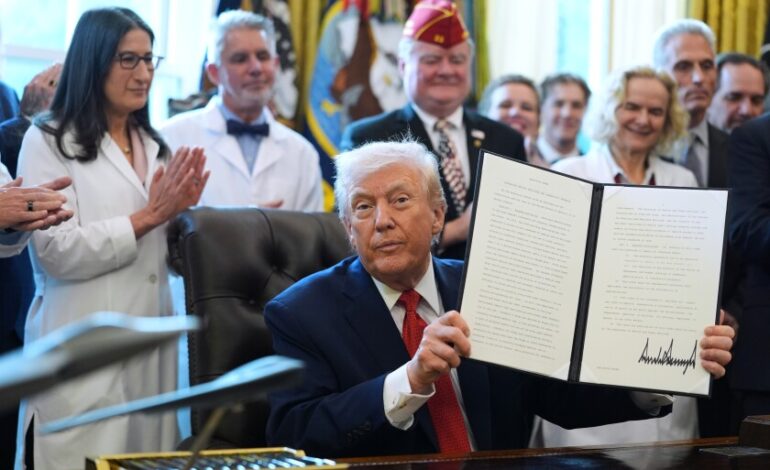

President Donald Trump has issued an executive order to reclassify marijuana, moving it from Schedule I to Schedule III under the Controlled Substances Act. This significant change acknowledges the potential medical benefits of marijuana while also facilitating research into its therapeutic applications. Schedule I drugs are deemed to have a high potential for abuse and no accepted medical use, a classification that has been in place since 1970.
The reclassification follows a lengthy history of advocacy for marijuana’s medical use. Nearly four decades ago, Francis Young, then chief administrative law judge at the Drug Enforcement Administration (DEA), concluded that marijuana did not belong in the most restrictive category. Although his findings were initially overturned by John Lawn, the recent executive order is seen as a vindication of Young’s long-held position.
Under the new classification, marijuana will join substances like ketamine and anabolic steroids in Schedule III, which is reserved for drugs with accepted medical uses. While this change does not equate to full legalization, it indicates a shift in the federal government’s stance toward marijuana. For decades, marijuana has been categorized alongside drugs such as heroin and LSD, despite evidence suggesting its therapeutic benefits.
In 2023, the U.S. Department of Health and Human Services (HHS) completed a review ordered by President Joe Biden, which found credible scientific support for marijuana’s use in treating conditions such as pain, nausea, and anorexia related to medical conditions. The HHS concluded that marijuana’s dangers did not justify its continued classification as a Schedule I substance. The review noted that “the vast majority of individuals who use marijuana are doing so in a manner that does not lead to dangerous outcomes.”
Merrick Garland, then Attorney General, accepted the HHS’s recommendation in May 2024, paving the way for Trump’s executive order. Trump presented this reclassification as a benefit for “American patients suffering from extreme pain, incurable diseases, aggressive cancers, seizure disorders, neurological problems and more.”
The new classification will ease the regulatory burden on researchers, allowing for more comprehensive studies on marijuana’s medical applications. However, it does not legalize medical use outright. The Food and Drug Administration (FDA) must approve specific cannabis-based products before they can be prescribed as medications. Furthermore, state-licensed marijuana businesses will remain illegal under federal law, although they could face less severe penalties.
Despite this, the reclassification provides financial relief for state-legal marijuana businesses, allowing them to claim standard deductions on their income tax returns. This change could significantly reduce the high effective tax rates that these businesses currently face.
The evolving landscape of marijuana legislation reflects the shifting attitudes among the American public. Currently, 40 states have legalized marijuana for medical use, and 24 states also permit recreational use, creating a notable conflict with federal prohibition. Many Americans oppose the longstanding federal restrictions on marijuana, which have been in place despite the evidence supporting its therapeutic uses.
While Trump’s order does not legalize marijuana, it represents a meaningful step toward acknowledging its potential benefits. The implications of this reclassification could reshape the future of cannabis research and its medical application, aligning federal policy more closely with the practices of states that have embraced marijuana as a legitimate treatment option.