
SpaceX Launches Starlink Mission Following Satellite Incident
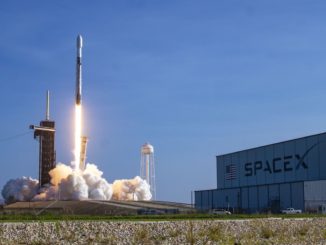

A SpaceX Falcon 9 rocket is set to launch the Starlink 6-88 mission on December 31, 2025, from Cape Canaveral Space Force Station. This marks the company’s first deployment mission since an incident on December 17, when contact was lost with Starlink satellite number 35956. The launch is scheduled for midnight EST (0500 UTC) and will see the rocket take a south-easterly trajectory.
The Starlink 6-88 mission was initially slated for December 19 but faced delays due to the satellite anomaly. SpaceX reported that the incident resulted in the venting of a propulsion tank and a rapid decay in the satellite’s orbital altitude by approximately 4 km. Following the incident, images from Vantor’s WorldView-3 satellite indicated that the affected satellite was “largely intact.” Michael Nicolls, the Vice President of Starlink Engineering, shared this information on social media, emphasizing that while there were some debris objects detected, the satellite and debris are expected to re-enter the atmosphere within weeks.
In a statement, SpaceX assured that the incident is being taken seriously. “Our engineers are rapidly working to root cause and mitigate the source of the anomaly,” the company stated. Preparations for the Starlink 6-88 mission were initially disrupted as the satellites were returned to SpaceX’s processing facility at HangarX for modifications following the incident.
Launch Details and Weather Forecast
The upcoming Falcon 9 launch will add 29 Starlink V2 Mini Optimized satellites to an ever-growing constellation of over 9,300 satellites in orbit. According to Jonathan McDowell, an esteemed astronomer and orbital tracker, this mission is part of SpaceX’s continued efforts to expand its satellite network.
The 45th Weather Squadron has predicted a 30 percent chance of favorable weather at the start of the launch window, improving to 70 percent as the launch time approaches. Meteorologists have indicated that a cold front will be moving through the area during the launch opportunity. They expect the worst weather conditions to occur at the beginning of the window, with showers potentially affecting the launch.
The Falcon 9 rocket used for this mission will be a new booster, identified as tail number 1101. It is expected to land on a drone ship named “Just Read the Instructions,” which will be stationed in the Atlantic Ocean approximately 8.5 minutes after liftoff. If successful, this will mark the 147th landing on this vessel and the 555th overall booster landing for SpaceX.
Growth in Starlink Services and Future Plans
This launch comes after a significant growth period for SpaceX’s Starlink service. According to the company’s annual report, Starlink concluded 2025 with over nine million customers across more than 155 countries, having added 4.6 million new customers throughout the year. The report also highlighted the activation of Starlink in over 35 new markets, expanding coverage to areas with challenging connectivity.
SpaceX has also made strides with its Direct to Cell service, now operational in 22 countries and serving over six million monthly customers. This service aims to provide cellular connectivity directly to unmodified phones using satellites positioned at lower altitudes for optimal signal strength.
Looking ahead, SpaceX plans to introduce the next generation of Starlink satellites, known as Version 3, in 2026. Designed to deliver over one terabit per second of downlink capacity, these satellites promise to significantly enhance service capabilities. The company is also preparing for orbital launches of these new satellites, building on successful tests conducted earlier this year.
As the launch of the Starlink 6-88 mission approaches, the focus remains on ensuring a successful deployment while addressing the challenges posed by the recent satellite incident. With its ambitious plans and commitment to enhancing global connectivity, SpaceX continues to play a pivotal role in reshaping the satellite communications landscape.