
Science
New Study Reveals Shared Brain Areas for Memory Retrieval


A recent study has identified that different types of memory retrieval—specifically episodic and semantic—engage the same regions of the brain. Researchers from the School of Psychology at the University of Nottingham and the Cognition and Brain Sciences Unit at the University of Cambridge conducted this groundbreaking research, which could significantly alter the understanding of memory systems.
The study, published in March 2024, utilized advanced neuroimaging techniques to observe brain activity during memory tasks. Participants were asked to recall specific events from their lives (episodic memory) and to retrieve factual information (semantic memory). The results revealed that both types of retrieval activated similar areas within the brain, challenging previous assumptions that they operated independently.
This discovery has profound implications for both cognitive psychology and neuroscience. Traditionally, episodic memory—where individuals recall personal experiences—was thought to rely on distinct neural pathways compared to semantic memory, which deals with general knowledge and facts. The findings suggest a more integrated approach to understanding how different memory systems interact and function together.
Moreover, the research emphasizes the importance of viewing memory as a cohesive process rather than a series of separate functions. As Dr. Sarah Thompson, lead researcher at the University of Nottingham, stated, “Our findings encourage a re-evaluation of the frameworks we use to understand memory. By recognizing the overlap in memory retrieval processes, we can better understand how memories are formed, stored, and recalled.”
The implications of this research extend beyond academic interest. Understanding the neural mechanisms underlying memory retrieval can inform clinical practices, especially in treating memory-related disorders such as Alzheimer’s disease and other forms of dementia. With a clearer picture of how the brain retrieves different types of memories, scientists can explore targeted interventions to help individuals struggling with memory loss.
As cognitive science continues to evolve, this study marks a significant step forward in exploring the complexities of human memory. The collaboration between the University of Nottingham and the University of Cambridge exemplifies the benefits of interdisciplinary research in tackling intricate questions about the brain.
In summary, the identification of shared brain areas for episodic and semantic memory retrieval not only reshapes the scientific landscape but also holds promise for future therapeutic strategies. As researchers delve deeper into these findings, the potential to enhance memory function and treat related disorders becomes increasingly tangible.

Rediscovering Joy: How the Game Sable Revived My Passion for Gaming

URGENT: Major Earthquake Strikes Turkey, Thousands Affected
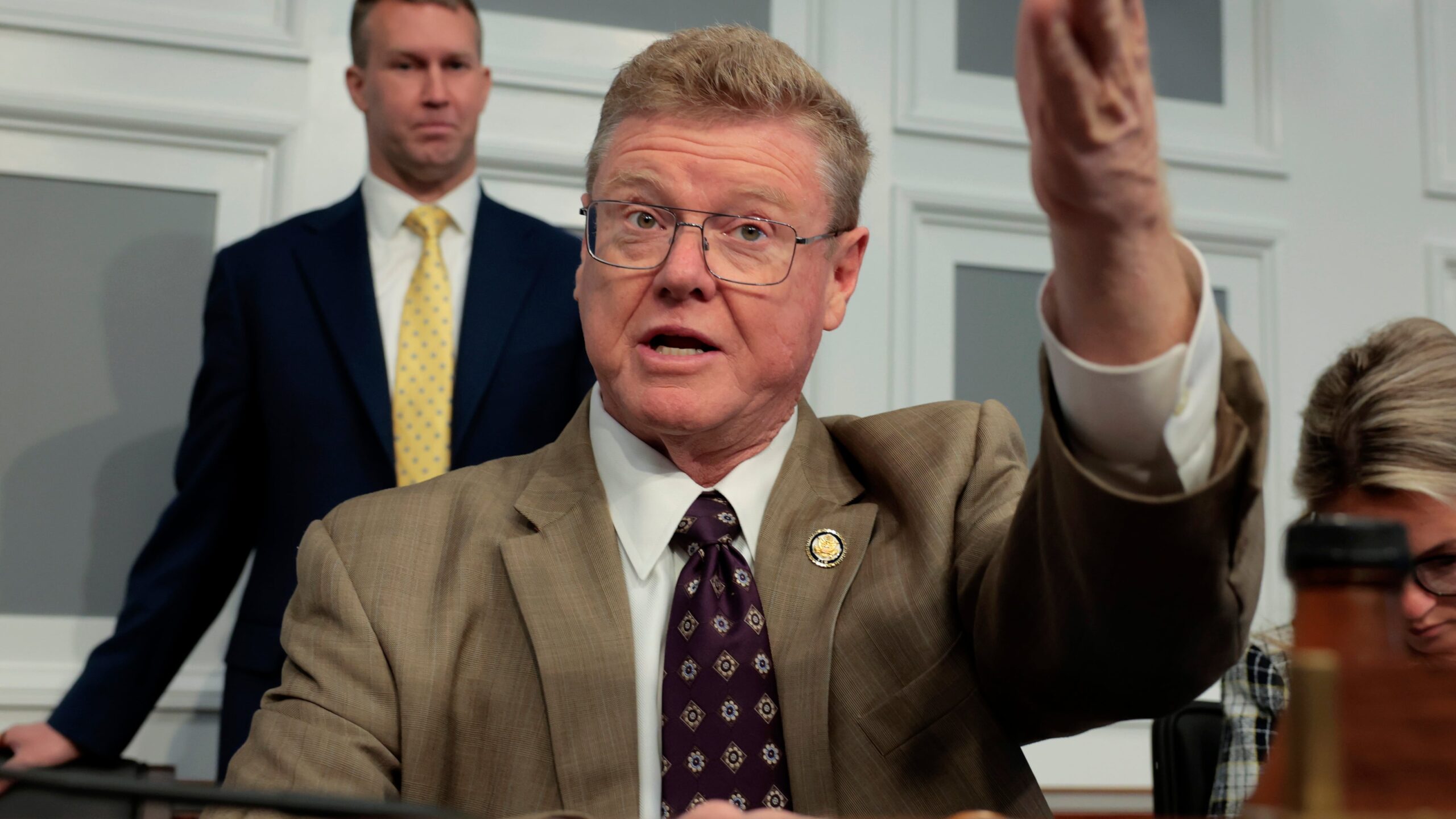
Nevada GOP Rep. Mark Amodei Announces Retirement, Seats at Risk

Simplify Your Windows 11 Experience: Remove These 7 Features

TKO Group Announces Six to Seven Fights at White House Event

Jayda Cheaves Claims Lil Baby and Ari Fletcher Had an Affair

Rachel Campos-Duffy Exits FOX Noticias; Andrea Linares Steps In

Piper Rockelle Shatters Record with $2.3M First Day on OnlyFans

Harvard Physicist Proposes Cosmic Location for Heaven at 273 Billion Trillion Miles

Terry Bradshaw Updates Fans on Health After Absence from FOX NFL Sunday
-
Entertainment3 weeks ago
Jayda Cheaves Claims Lil Baby and Ari Fletcher Had an Affair
-
Top Stories2 months ago
Rachel Campos-Duffy Exits FOX Noticias; Andrea Linares Steps In
-
Top Stories1 month ago
Piper Rockelle Shatters Record with $2.3M First Day on OnlyFans
-
Science2 weeks ago
Harvard Physicist Proposes Cosmic Location for Heaven at 273 Billion Trillion Miles
-
Health3 months ago
Terry Bradshaw Updates Fans on Health After Absence from FOX NFL Sunday
-
 Top Stories1 month ago
Meta’s 2026 AI Policy Sparks Outrage Over Privacy Concerns
-
 Sports1 month ago
Leon Goretzka Considers Barcelona Move as Transfer Window Approaches
-
 Top Stories1 month ago
Urgent Update: Denver Fire Forces Mass Evacuations, 100+ Firefighters Battling Blaze
-
 Top Stories1 month ago
OnlyFans Creator Lily Phillips Reconnects with Faith in Rebaptism
-
 Top Stories3 weeks ago
Patriots Face Altitude Challenge in AFC Championship; Experts Weigh In
-
 Top Stories1 month ago
Oregon Pilot and Three Niece Die in Arizona Helicopter Crash
-
 Sports4 weeks ago
South Carolina Faces Arkansas in Key Women’s Basketball Clash