


Tennessee’s GOP Victory Signals Challenges for Midterms Ahead
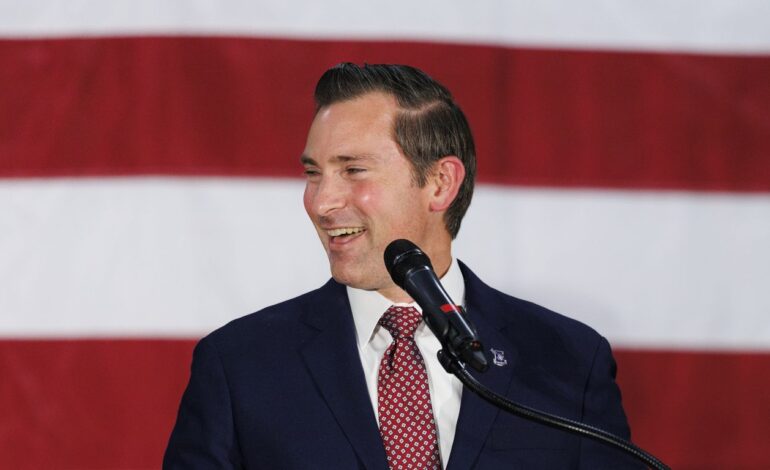

Republican candidate Matt Van Epps secured a narrow victory in Tennessee’s recent special U.S. House election, defeating Democrat Aftyn Behn by a margin of just under nine percentage points, with a final tally of 54% to 45%. This election, held on October 3, 2023, marks a significant moment for the GOP as it reflects growing concerns about their standing ahead of the 2024 midterm elections.
The election took place in a district that Donald Trump won by a substantial 22 points in the previous year, indicating a shift in voter sentiment. While the victory bolstered the Republican majority in the House to 220–214, it also raised alarms about potential vulnerabilities in upcoming elections. The election has sparked mixed reactions; Republicans celebrated the win while expressing unease regarding the implications for Trump’s agenda and economic management.
Significant Investment for a Narrow Win
Van Epps’ win was achieved through a costly campaign, with the GOP spending millions on advertising to retain the seat previously held by former Representative Mark Green. This outcome echoes similar difficulties the Republican Party experienced in Florida’s special House elections earlier this year. Notably, it comes after significant losses in gubernatorial races in states like New Jersey and Virginia.
The requirement for an extensive financial commitment to secure this district raises questions about the GOP’s electoral strategy and its effectiveness in mobilizing support in traditionally conservative regions.
Pressure on Democratic Strategies
For Democrats, Behn’s campaign provided a glimpse of hope, even in loss. She aligned with the progressive wing of the party, campaigning alongside notable figures like Alexandria Ocasio-Cortez. However, the deluge of attack ads targeting her past statements—such as labeling herself “radical”—proved effective in energizing conservative voters.
Some moderate Democrats now contend that a more centrist candidate might have performed better in this election. This debate is central to the party’s ongoing discussion about whether to prioritize electable moderates or progressive candidates who can galvanize younger voters.
Economic Concerns at the Forefront
Economic issues dominated the campaign, particularly around affordability and taxation. According to data from the ad-tracking firm AdImpact, taxation was the most-discussed topic in advertisements from both parties. Behn focused on affordability, echoing the successful strategies of Democratic candidates in other recent elections, such as those for governor in New Jersey and Virginia.
As inflation continues to be a pressing concern for many Americans, Trump has started to address affordability more directly, albeit with skepticism. He recently suggested measures like $2,000 tariff rebate checks and extended mortgage terms. Yet, his dismissal of inflation as a “Democrat scam” has raised eyebrows, especially given the persistent economic worries among voters.
Trump’s Focus on Future Elections
With an eye on the upcoming midterms, Trump’s involvement in the election was significant. His political organization heavily backed Van Epps, with the Trump-aligned super PAC, MAGA Inc., investing over $1.5 million into the campaign. This underscores Trump’s priority of maintaining Republican control in the House, especially as he faces potential impeachment threats if Democrats regain power.
In preparation for the 2026 elections, Trump is also advocating for redistricting efforts in conservative states to create more favorable electoral landscapes for the GOP. This strategy includes building a substantial political war chest, reflecting the heightened stakes for the Republican Party as they navigate a changing political landscape.
The recent election in Tennessee serves as a crucial indicator of the challenges both parties may face in the approaching midterms, highlighting shifting voter priorities and the ongoing debate within the Democratic Party regarding its electoral approach.