
Putin Offers Security Guarantees for Ukraine in Diplomatic Shift
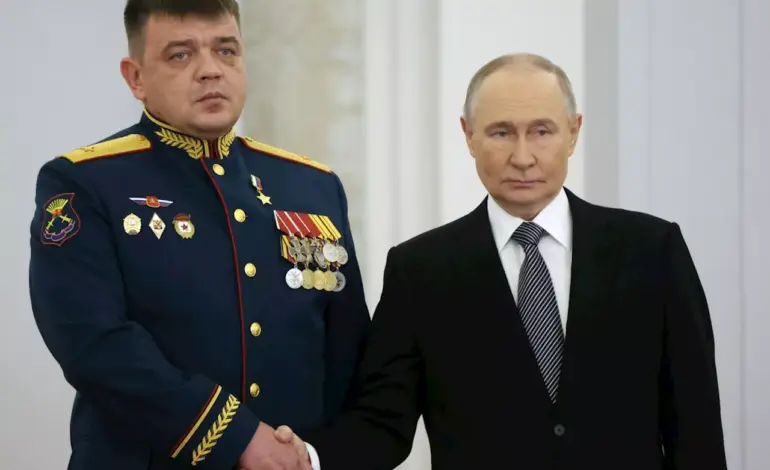

Russian Foreign Minister Sergei Lavrov announced that President Vladimir Putin has expressed a willingness to provide security guarantees for Ukraine, marking a potential shift in discussions surrounding a peace settlement. During a meeting in Moscow with two envoys from former US President Donald Trump, Lavrov emphasized that any guarantees must also encompass Russia’s security needs.
Lavrov stated that Russia recognizes Ukraine’s requirement for security assurances as part of a comprehensive peace agreement. He insisted that these guarantees should be mutual, highlighting the Kremlin’s readiness to formalize them through a legally binding treaty. He referred to Moscow’s proposals to NATO from 2021 as a possible framework for these discussions.
In a notable development, Lavrov mentioned that Russia has submitted additional proposals to the United States regarding collective security guarantees, which cannot be limited exclusively to Ukraine. He dismissed the idea of deploying peacekeeping troops to Ukraine as part of a security agreement, warning that such actions could make these forces “legitimate targets for the Russian armed forces.”
As negotiations continue, Trump has urged Ukrainian President Volodymyr Zelensky to adopt a more realistic approach to the conflict. He questioned the timing of Ukraine’s elections and suggested that Zelensky should be cautious about the pressures that may arise from international discussions.
Trump noted that he had addressed the Ukrainian situation with leaders from the United Kingdom, France, and Germany, indicating some “little disputes.” While European leaders are eager for Trump to engage in peace talks, he expressed reluctance, citing the need for further information before proceeding with any meetings in Europe.
The backdrop of these discussions includes Ukraine’s recent revisions to a 20-point proposal aimed at achieving a settlement. This comes amid concerns among European allies that Trump may push Ukraine to accept terms that could inadvertently reward Russia for its ongoing aggression. Zelensky, facing domestic challenges due to a corruption scandal involving senior officials, has indicated his willingness to conduct elections, contingent upon adequate support from the US and other Western nations to ensure their safety.
Despite these political complexities, Zelensky remains firm in his stance against territorial concessions to Russia. He asserts that he lacks both the legal and moral authority to yield any land.
The evolving situation underscores the intricate dynamics of international diplomacy, where security concerns intersect with domestic political pressures. The exchange of proposals between Russia, the United States, and Ukraine highlights the challenges of reaching a consensus.
As the negotiations unfold, the potential for a legally binding treaty suggests a high-stakes environment where various interests must be navigated carefully. The differing viewpoints regarding security guarantees and troop deployments further complicate the dialogue.
With an eye on upcoming elections and the inherent risks of escalation, the situation remains fluid. Achieving a peaceful resolution will require skillful diplomacy and the ability to bridge significant gaps in perspective among the involved parties, emphasizing the crucial role of negotiations in the quest for lasting peace in the region.