


China Faces Population Challenges as Birth Rates Decline
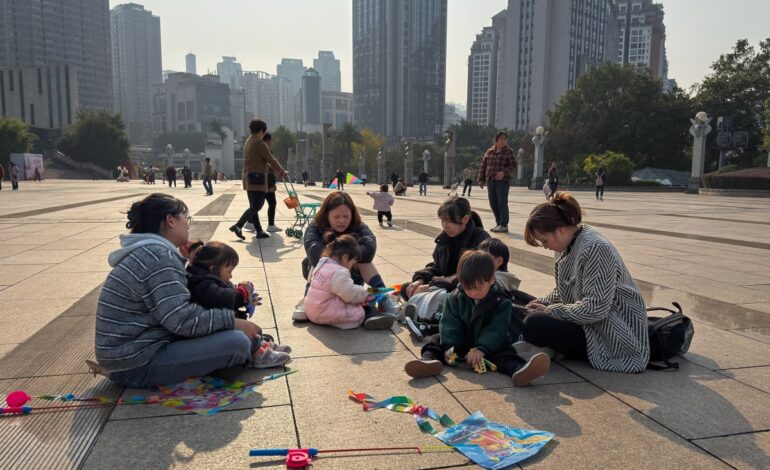

Chinese President Xi Jinping is confronting a significant demographic challenge as the nation grapples with declining birth rates. With over two-thirds of the global population residing in countries with fertility rates below the replacement level, China’s situation is particularly critical. The country’s total fertility rate currently stands at among the lowest in the world, raising concerns about future economic stability and societal structure.
Several factors contribute to this decline. A demanding work culture, rising living costs, workplace discrimination, and changing societal attitudes have deterred many from starting families. Although there was a slight uptick in the birth rate last year, driven largely by the COVID-19 pandemic’s impact on birth timing and the auspicious Year of the Dragon in 2024, the overall trend remains troubling. Births have plummeted from nearly 18 million in 2016—the year China ended its long-standing One Child Policy—to just half that figure by 2023.
The implications of this fertility slump extend beyond social dynamics. Children are essential for driving consumption, a crucial economic metric that China has struggled to boost since the end of pandemic-related lockdowns. Furthermore, a growing elderly population is expected to place increasing pressure on the country’s modest social safety nets, compelling many workers to allocate time and resources to care for aging relatives, thus impacting their financial stability.
During the recent annual meeting of the National People’s Congress, Premier Li Qiang underscored the need to elevate birth rates as a national priority. In response, the central government and local authorities are implementing various measures aimed at encouraging families to have more children.
Government Initiatives to Boost Birth Rates
One of the most notable initiatives announced is a nationwide cash allowance of 3,600 yuan (approximately $500) per year for each child born on or after January 1, 2025. This financial support will continue until the child reaches three years of age. According to Xiujian Peng, a senior research fellow at Victoria University in Melbourne, this policy demonstrates the central government’s recognition of the declining birth rate and signals a commitment to supporting families.
Additionally, starting in the fall 2025 semester, China will waive tuition fees for the final year of kindergarten at all public preschools nationwide. This initiative will also apply to eligible private institutions, aiming to alleviate the financial burden on families during a crucial stage of early development. Officials estimate that this policy will benefit approximately 12 million children in its initial semester.
To further support new parents, provinces across China have extended standard maternity leave to a minimum of 158 days, with many regions also introducing 15 days of paternity leave and shared parental leave ranging from 5 to 20 days. A key administrative reform ensures that maternity benefits, previously managed by employers, will now be directly deposited into mothers’ bank accounts. As of early 2025, this direct-payment system has been implemented in 20 provincial-level regions, aiming to simplify access to these benefits and reduce delays.
These initiatives reflect a broader effort by the Chinese government to create a more “birth-friendly” environment, particularly in urban areas where the cost of living can be prohibitive for young families. As China navigates these demographic challenges, the effectiveness of these policies will be critical in shaping the nation’s future economic landscape and social fabric.