


University of Michigan Launches Innovative Brain-Computer Interface Clinic
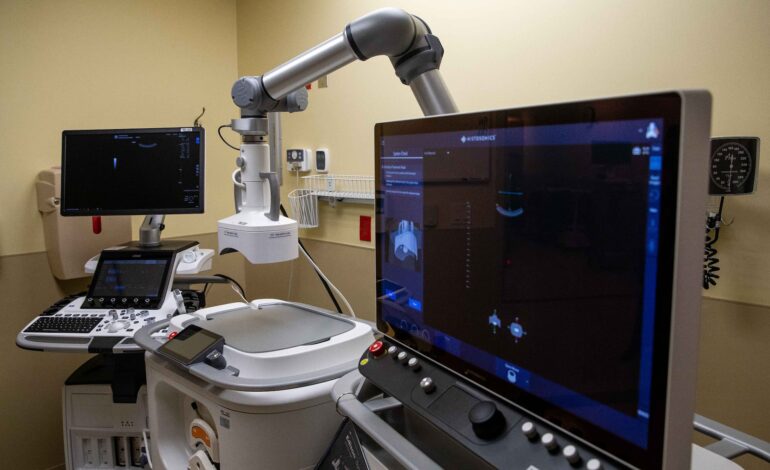

The University of Michigan Health has inaugurated one of the first brain-computer interface clinics in the United States, specifically designed for patients with severe motor and speech impairments. This groundbreaking facility opened its doors on December 16, 2023, in Ann Arbor, aiming to deliver advanced treatment options and enhance the quality of life for those affected by such disabilities.
Dr. Matthew Willsey, a professor of neurosurgery and biomedical engineering at the University of Michigan, leads the clinic. He emphasized the clinic’s goal to unite a “multidisciplinary set of clinicians” to address the diverse needs of patients. The clinic not only provides information on available technologies but also details regarding eligible clinical trials and other treatment centers.
“This technology has developed rapidly over the last 20 years through research groups in academia and is now being commercialized,” said Willsey. He expressed optimism about the future of brain-computer interfaces (BCIs), predicting that within the next five to ten years, these devices will become widely accessible.
Focus on Patient-Centric Care and Technology
The clinic specializes in implantable devices that interact directly with the nervous system, enabling patients to regain control or communication capabilities. After a comprehensive evaluation, healthcare professionals will inform patients about suitable clinical trials or implantable devices tailored to their specific conditions. Currently, a referral from a primary care physician is necessary for patients to schedule an appointment.
Dr. Aditya Pandey, chair of the neurosurgery department at UM, highlighted the rapid advancement in BCI research. “Our teams will ensure that patients receive detailed information about the potential to access recently approved neural interfaces, such as vagus nerve stimulators, and participate in cutting-edge clinical trials,” he stated in a press release on December 17, 2023.
Recent achievements at the clinic include the first in-human recording from a new wireless BCI. This milestone occurred during a temporal lobectomy for epilepsy, showcasing the clinic’s commitment to pioneering research and clinical practice. Willsey also serves as the site principal investigator for an upcoming Connect-One clinical study, which involves a device developed by Paradromics Inc.. This study recently received approval from the U.S. Food and Drug Administration.
Local Impact and Future Prospects
With the establishment of this clinic, the University of Michigan aims to provide patients not only in Ann Arbor but across Michigan with access to the latest innovations in BCI technology. Willsey stated, “We want to focus on bringing people the most up-to-date clinical trials and the latest technology so that it can be available to everyone.”
As the clinic begins operations, it signifies a significant step in the field of neurotechnology, bringing hope to those with functional deficits. The integration of advanced research and patient care at the University of Michigan Health may soon lead to transformative developments in restoring lost functions through innovative devices.
This initiative not only reflects the university’s commitment to leading-edge healthcare but also emphasizes the importance of collaboration among various specialists to meet the unique needs of patients facing severe challenges. The future appears promising, with potential advancements that could redefine rehabilitation and communication for countless individuals.