
Health
Study Reveals Stool Tests and Diet Can Predict IBD Flare-Ups


A major study published in the journal Gut indicates that regular stool tests, already utilized in NHS care, combined with dietary information, can effectively predict the risk of flare-ups in individuals with inflammatory bowel disease (IBD). This research highlights the potential for enhanced monitoring and personalized care for patients facing this chronic condition.
The study emphasizes the importance of routine stool testing, which allows healthcare providers to assess the presence of inflammatory markers. By integrating dietary patterns into this assessment, researchers aim to develop a more comprehensive understanding of factors contributing to IBD relapses. This dual approach could significantly improve patient outcomes by identifying those at higher risk for flare-ups, allowing for timely interventions.
The research involved a substantial cohort of patients diagnosed with IBD, focusing on the correlation between specific dietary habits and the frequency of inflammatory episodes. Notably, the findings suggest that certain dietary choices may exacerbate symptoms, while others could potentially mitigate them. This information is crucial for both patients and healthcare providers as they navigate treatment options.
Implications for Patient Care
The implications of this study are profound for patient care. By utilizing stool tests in conjunction with dietary assessments, healthcare professionals can tailor treatment plans to better suit individual needs. This personalized approach is expected to increase the effectiveness of interventions, ultimately leading to fewer hospital visits and improved quality of life for patients.
According to the researchers, the findings underscore the necessity for ongoing monitoring of patients with IBD. The ability to anticipate flare-ups based on stool test results and dietary habits can empower patients, allowing them to make informed choices about their health.
Future Research Directions
This study lays the groundwork for future research into the interplay between diet and gastrointestinal health. Experts advocate for further investigations to explore specific dietary components and their direct impact on IBD symptoms. Such research could unveil critical insights, leading to new dietary guidelines tailored specifically for individuals with this condition.
In conclusion, the integration of routine stool testing with dietary analysis presents a promising avenue for improving the management of IBD. As healthcare systems increasingly prioritize personalized medicine, this study offers a significant step toward enhancing patient care and reducing the burden of chronic inflammatory conditions.

Giannis Antetokounmpo Joins Kalshi as Shareholder, Shakes Up Sports Betting

Rediscovering Joy: How the Game Sable Revived My Passion for Gaming

URGENT: Major Earthquake Strikes Turkey, Thousands Affected

Nevada GOP Rep. Mark Amodei Announces Retirement, Seats at Risk
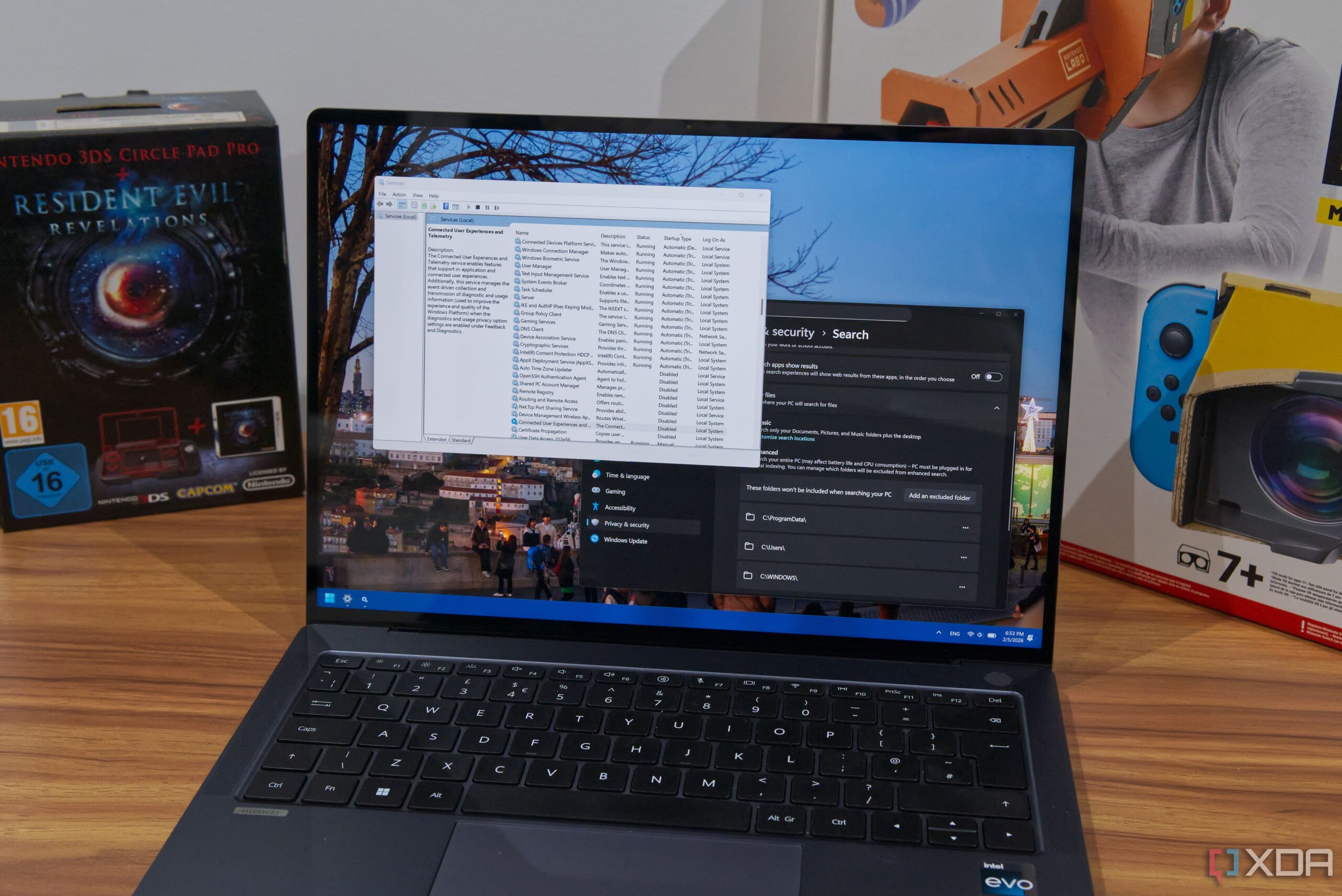
Simplify Your Windows 11 Experience: Remove These 7 Features

Jayda Cheaves Claims Lil Baby and Ari Fletcher Had an Affair

Rachel Campos-Duffy Exits FOX Noticias; Andrea Linares Steps In

Piper Rockelle Shatters Record with $2.3M First Day on OnlyFans

Harvard Physicist Proposes Cosmic Location for Heaven at 273 Billion Trillion Miles

Terry Bradshaw Updates Fans on Health After Absence from FOX NFL Sunday
-
Entertainment3 weeks ago
Jayda Cheaves Claims Lil Baby and Ari Fletcher Had an Affair
-
Top Stories2 months ago
Rachel Campos-Duffy Exits FOX Noticias; Andrea Linares Steps In
-
Top Stories1 month ago
Piper Rockelle Shatters Record with $2.3M First Day on OnlyFans
-
Science2 weeks ago
Harvard Physicist Proposes Cosmic Location for Heaven at 273 Billion Trillion Miles
-
Health3 months ago
Terry Bradshaw Updates Fans on Health After Absence from FOX NFL Sunday
-
 Top Stories1 month ago
Meta’s 2026 AI Policy Sparks Outrage Over Privacy Concerns
-
 Sports1 month ago
Leon Goretzka Considers Barcelona Move as Transfer Window Approaches
-
 Top Stories1 month ago
Urgent Update: Denver Fire Forces Mass Evacuations, 100+ Firefighters Battling Blaze
-
 Top Stories1 month ago
OnlyFans Creator Lily Phillips Reconnects with Faith in Rebaptism
-
 Top Stories3 weeks ago
Patriots Face Altitude Challenge in AFC Championship; Experts Weigh In
-
 Top Stories1 month ago
Oregon Pilot and Three Niece Die in Arizona Helicopter Crash
-
 Sports4 weeks ago
South Carolina Faces Arkansas in Key Women’s Basketball Clash