

Health Experts Urge Continued COVID-19 Testing in 2025

With the initial wave of the COVID-19 pandemic now a part of history, health experts emphasize the ongoing importance of testing for the virus in 2025. Despite a general decline in public concern and a reduction in vaccination rates, the Centers for Disease Control and Prevention (CDC) continues to advocate for COVID-19 testing, particularly for individuals exhibiting symptoms.
COVID-19 symptoms, which can closely resemble those of the flu or a common cold, include fever, chills, fatigue, cough, runny nose, and headache. According to the CDC, a casual attitude towards testing can pose significant risks, especially for vulnerable populations such as infants, the elderly, and individuals with compromised immune systems.
Understanding the Risks and Recommendations
Dr. Tucker Woods, associate chair of emergency medicine at Northwell Staten Island University Hospital, stresses that “COVID-19 is still circulating, and testing can be a tool to help maintain individual and community health.” The CDC estimates that between 13.8 million and 20.3 million COVID-19 cases occurred in the United States from October 2024 to September 2025, leading to as many as 540,000 hospitalizations and up to 63 million COVID-related deaths.
Given these figures, the CDC recommends testing if individuals experience symptoms, have been exposed to someone diagnosed with COVID-19, or plan to visit large gatherings or vulnerable populations. Dr. Woods elaborates, saying, “It will help to prevent spreading. If you test positive, you can take personal measures to prevent unknowingly passing a contagious illness to family, friends, and especially vulnerable individuals in our community.”
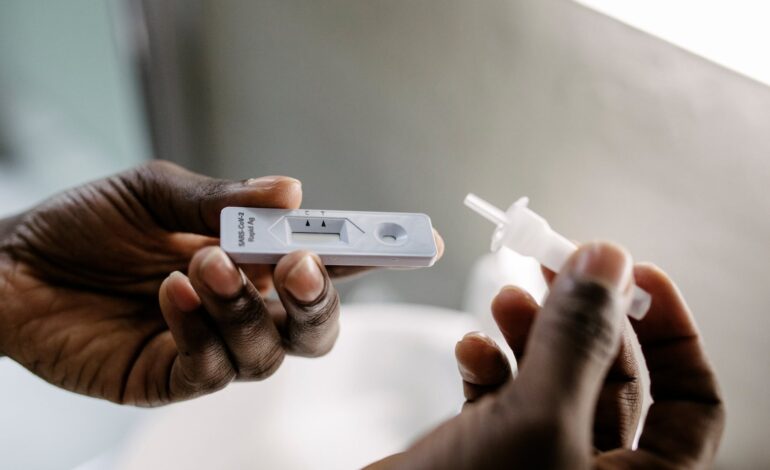
COVID-19 test kits are widely available at pharmacies, on platforms like Amazon, and at major retailers such as Target and Walmart. These kits provide a quick way to determine whether someone currently has the virus, enabling them to take appropriate measures to protect others.
The Importance of Timely Testing and Treatment
If someone tests positive for COVID-19, Dr. Woods indicates that early diagnosis allows for timely access to effective antiviral treatments. This is crucial for reducing the risk of severe illness and hospitalization, particularly among those at higher risk. Testing before gatherings, traveling, or concluding isolation is critical to safeguard vulnerable individuals.
The CDC advises testing for anyone displaying symptoms, even mild ones such as a cough, runny nose, or headache. If exposure to a confirmed case of COVID-19 occurs, individuals should wait at least five days before testing to ensure accurate results. Dr. Woods highlights that testing helps people make informed decisions regarding their health and social interactions.
In cases of a positive test result, the CDC recommends isolation until individuals have been fever-free for at least 24 hours and their symptoms are improving. When returning to normal activities, additional precautions should be taken, including maintaining good hygiene, wearing a well-fitted mask, and practicing physical distancing.
Types of Testing and Best Practices
There are two primary types of COVID-19 tests: antigen tests and Nucleic Acid Amplification Tests (NAAT). Antigen tests offer rapid results, usually within 15 to 30 minutes, and are generally reliable for detecting active infections. However, NAAT tests, including PCR tests, are considered the “gold standard” for COVID-19 testing due to their higher accuracy, particularly when symptoms are absent.
To confirm a negative result from an antigen test, the FDA recommends conducting two negative antigen tests for symptomatic individuals or three for those without symptoms, spaced 48 hours apart. If symptoms persist after a positive antigen test, the CDC advises seeking a NAAT test for confirmation.
Test performance can be affected by extreme temperatures, according to the FDA. To ensure reliability, individuals should allow testing kits to acclimate to room temperature for at least two hours before use.
As health authorities continue to monitor the situation, the emphasis on COVID-19 testing remains critical. With ongoing risks associated with the virus, public awareness and adherence to health recommendations are essential for community safety.