

California Cuts Coverage for Weight-Loss Drugs Amid Budget Pressures
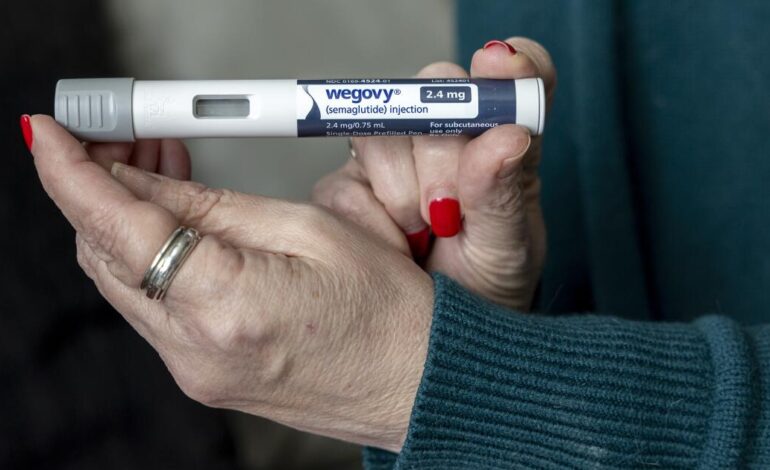

As of January 1, 2024, California will no longer cover weight-loss medications under its Medi-Cal program, affecting many low-income residents. Health officials are instead recommending lifestyle changes, such as diet and exercise, as alternatives to popular drugs like Wegovy and Zepbound. This decision is part of a broader trend among several states facing escalating pharmaceutical costs and budgetary constraints.
The move to cut coverage comes in response to rising expenses associated with GLP-1 medications, which have gained significant popularity in recent years. According to California officials, the cost to cover these drugs for weight loss could have exceeded $800 million annually by 2027 if the state did not discontinue support.
Many patients, like Wilmer Cardenas from Santa Clara, have benefited from these medications, with his husband reportedly losing about 100 pounds over two years. Cardenas expressed concern that the state’s recommendation to focus on diet and exercise may not be practical for everyone. He stated, “Of course he tried eating well and everything, but now with the medications, it’s better — a 100% change.”
California is not alone in this decision. Other states, including New Hampshire, are also planning to end or limit GLP-1 prescriptions for obesity. A recent survey by the Kaiser Family Foundation indicated that interest in covering these medications is declining, primarily due to budgetary challenges and the high costs associated with the drugs.
While negotiated price reductions for GLP-1s were announced in November through the TrumpRx initiative, which aims to lower costs for taxpayers, many states are proceeding with cuts to their Medicaid programs. For example, the price of Wegovy will be approximately $350 per month for consumers, down from nearly $1,350, with Medicare and Medicaid expected to pay around $245. Yet, these reductions may not significantly ease the financial burden on patients, especially those with Medicaid insurance, according to healthcare providers.
In light of these changes, California health officials are urging Medi-Cal members to consider other treatment options. Tessa Outhyse, spokesperson for the California Department of Health Care Services, noted that the advice to pursue diet and exercise is intended to encourage a proactive approach to weight management. However, experts question the feasibility of this recommendation.
Dr. Diana Thiara, medical director of the UC San Francisco Weight Management Program, stated, “It will be quite negative for our patients,” highlighting that individuals often regain weight after discontinuing medication. The perception among some healthcare professionals is that obesity should be treated as a chronic condition requiring ongoing management.
Despite the cuts, Medi-Cal will still cover GLP-1 prescriptions for other health issues, such as type 2 diabetes and chronic kidney disease. Additionally, Medi-Cal members under the age of 21 will retain coverage for weight loss, in compliance with federal requirements. Those denied coverage may request a hearing to contest the decision.
Healthcare providers are closely monitoring how these changes will affect patients. The Food and Drug Administration approved a pill version of Wegovy on December 22, anticipated to cost around $149 per month for the lowest dosage. Similar oral medications are expected to emerge within the year, potentially offering more affordable options for patients.
As California navigates these challenging fiscal waters, it remains to be seen how the administration’s plans will evolve in response to ongoing budget pressures and the implications of the TrumpRx pricing strategy. Many observers within the healthcare community are concerned about the long-term impact on patient health and access to necessary treatments.