
Health
Black Men Face Prostate Cancer: Jerry McCormick’s Journey

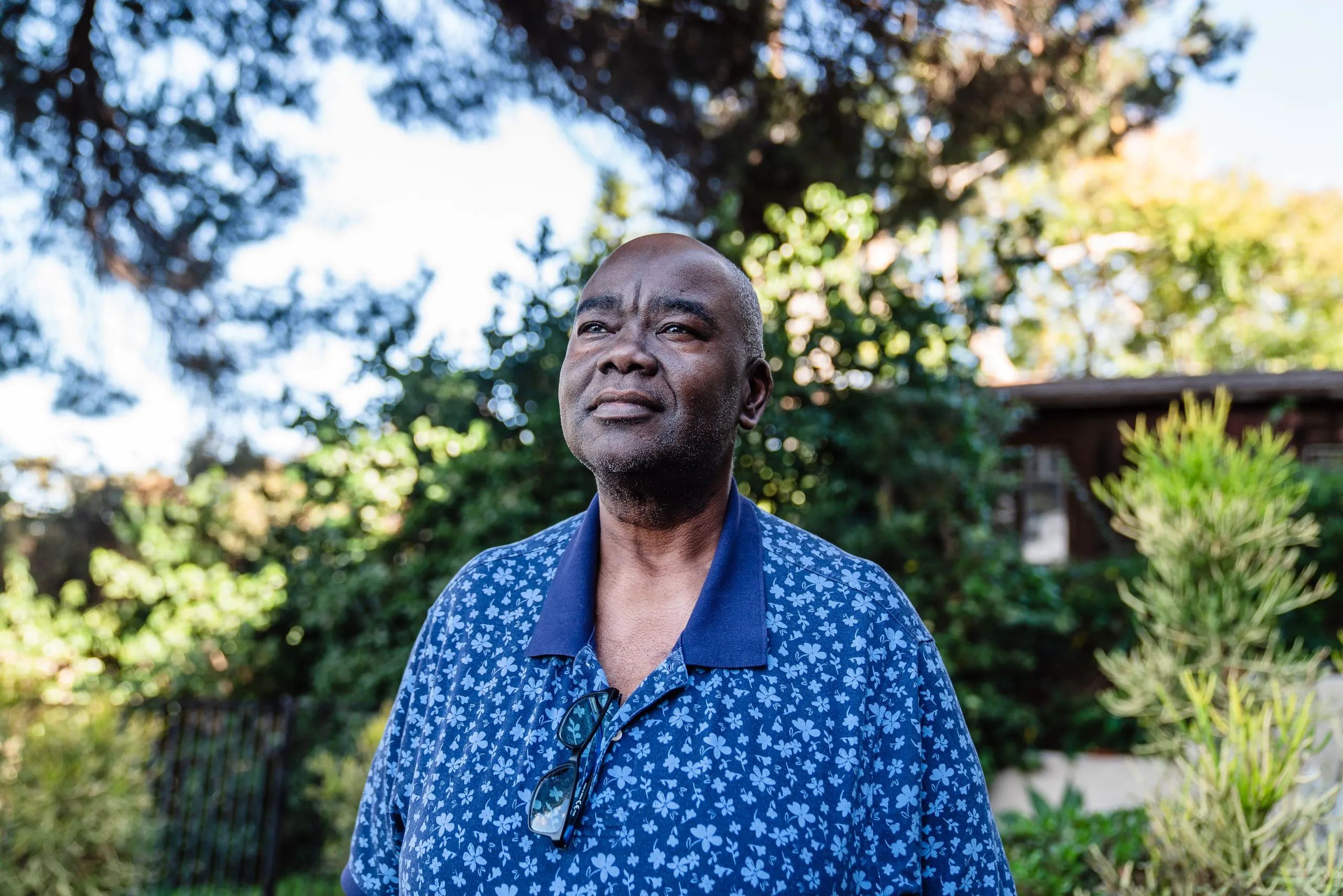
Jerry McCormick, a 57-year-old journalist from San Diego, received a life-altering diagnosis of prostate cancer while alone in a Las Vegas hotel room. On a Friday night, he opened an email from LabCorp containing his biopsy results, leading to a night spent grappling with the implications of the diagnosis. The following morning, he shared the news with his husband, Richard Pacheco, who responded with unwavering support: “We’re going to beat this.”
As McCormick began to disclose his diagnosis to close friends and family, he was met with a mix of concern and encouragement. “When people hear cancer, they’re like ‘ohhhhhh’ — you know, that pity thing. But I don’t want to be pitied,” he explained. His journey took an emotional turn as he joined support groups and started documenting his experience through writing, seeking to educate others about the realities of prostate cancer.
Understanding the Risk for Black Men
Prostate cancer poses a significant health risk for Black men, with statistics indicating that one in eight will develop the disease, in contrast to one in twelve white men. This stark difference is highlighted by Dr. Brent Rose, an associate professor of radiation oncology at the University of California, San Diego. According to the American Cancer Society, Black men are also more likely to receive a diagnosis at younger ages, prompting recommendations for annual screenings to begin at age 45.
McCormick experienced troubling symptoms, including frequent nighttime urination, which led him to seek medical attention. After a biopsy confirmed the presence of cancer, he was faced with two treatment options: radiation therapy or surgical removal of the prostate. The decision weighed heavily on him, particularly as he had just begun a new job and was concerned about the impact of prolonged recovery on his life and relationship.
Navigating Treatment and Recovery
In December 2025, McCormick underwent surgery to remove his prostate. However, complications arose when the surgeon determined that his abdominal wall was too thick to proceed as planned. This setback was emotionally taxing, but he remained determined to continue fighting. McCormick ultimately had the surgery on January 6, 2026, after recovering from an illness that threatened to delay the procedure once more.
Post-surgery, McCormick encountered unexpected challenges, including an infection from one of his incisions that led to a hospital visit. Reflecting on his recovery, he remarked, “It’s been anything but linear. I’m grieving the life I had before prostate cancer.” Despite these hardships, he found purpose in sharing his story, aiming to educate and empower others facing similar battles.
McCormick’s experience underscores the need for increased awareness and proactive measures among Black men regarding prostate health. He emphasizes, “Prostate cancer is treatable, especially if it’s caught early.” He remains hopeful while awaiting further medical evaluations to determine the effectiveness of his treatment.
Through his journey, McCormick has received immense support from friends, family, and colleagues, highlighting the importance of community in the face of adversity. As he navigates this challenging chapter of his life, he is committed to using his experience to inform and inspire others, reinforcing that they too can confront the realities of prostate cancer.

NASA Targets Moon Return as Goddard’s Rocket Legacy Endures

Steve Kerr Celebrates Oscar Win for Documentary Short Today!

Major Leadership Changes in Advertising and Marketing Shaping Strategies
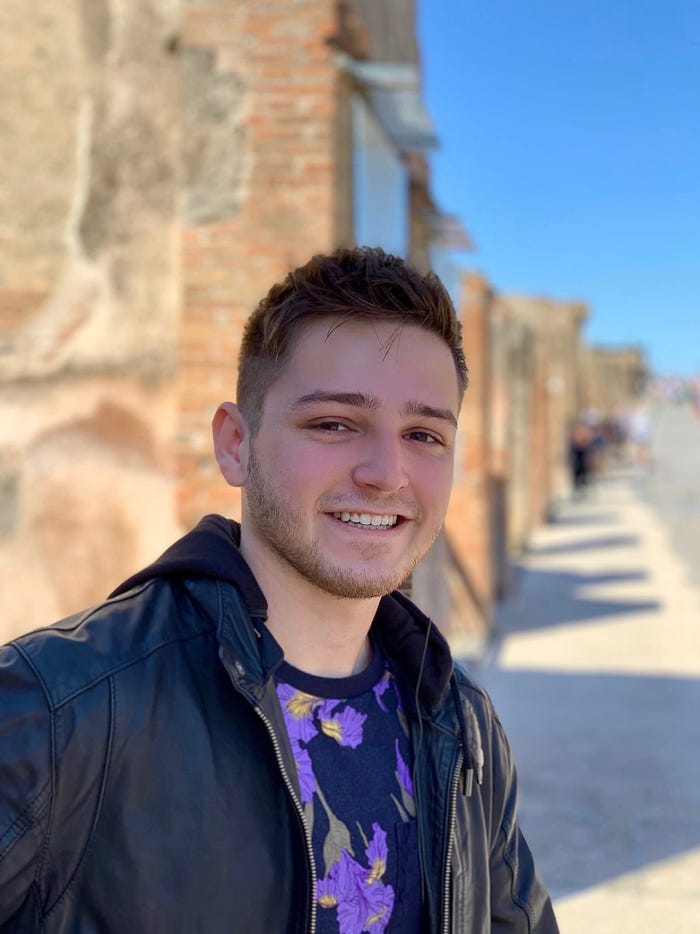
Former Facebook Engineer Michael Sayman Joins Whop, Eyes AI Opportunities

Revolution Dominates Cincinnati in 6-1 Victory at Gillette Stadium
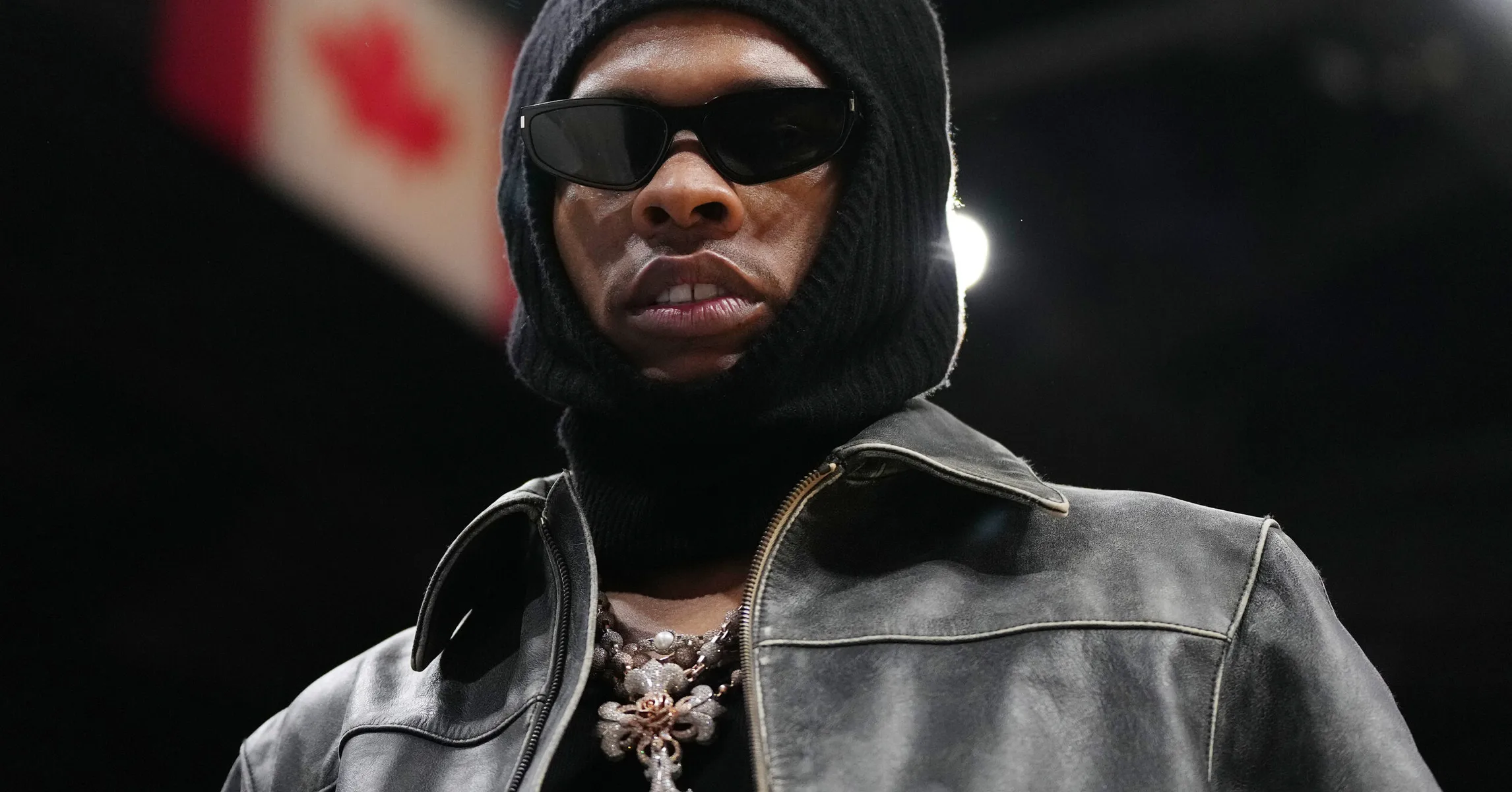
Jayda Cheaves Claims Lil Baby and Ari Fletcher Had an Affair

Rachel Campos-Duffy Exits FOX Noticias; Andrea Linares Steps In

Terry Bradshaw Updates Fans on Health After Absence from FOX NFL Sunday

Piper Rockelle Shatters Record with $2.3M First Day on OnlyFans
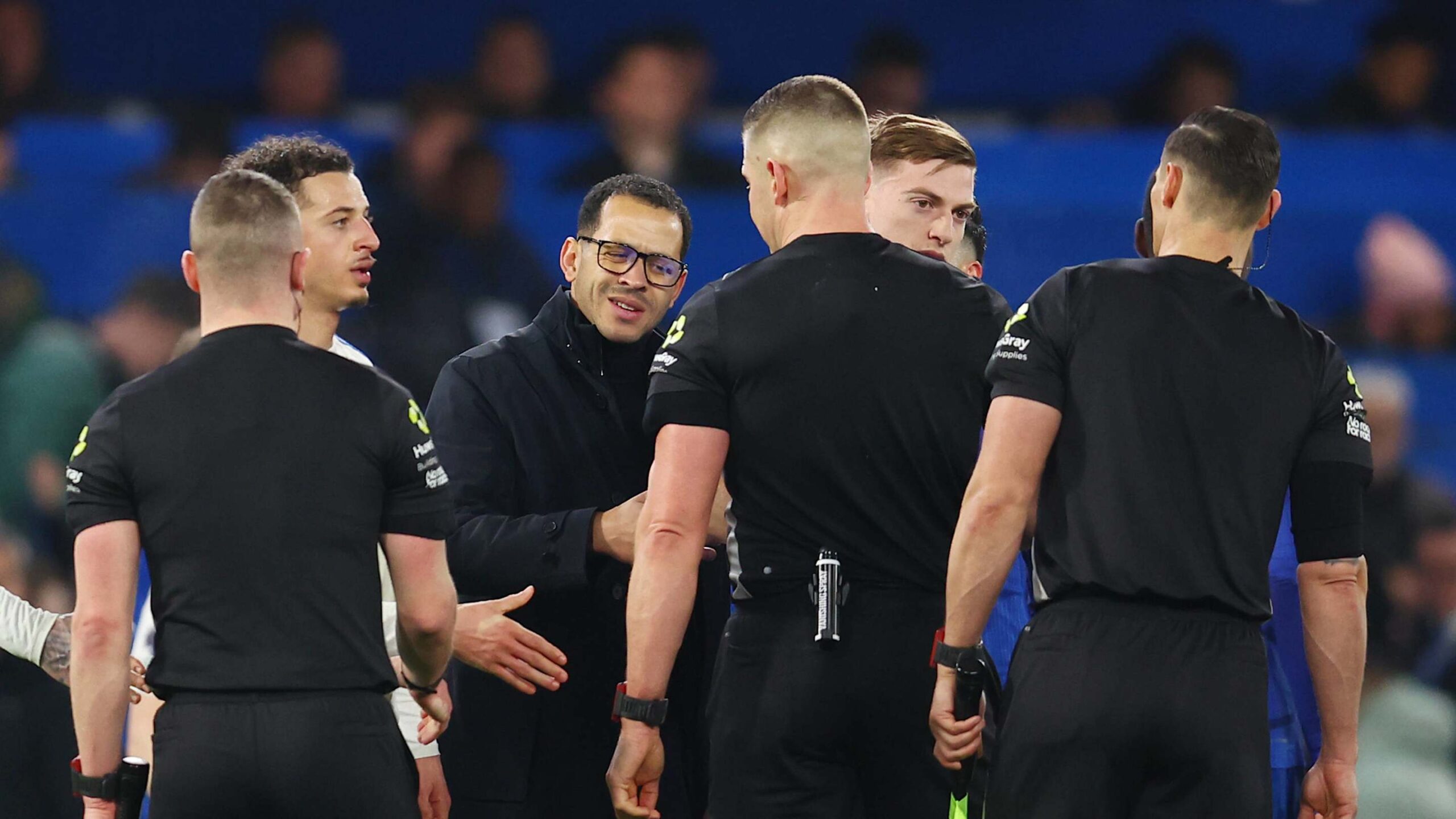
Rosenior Slams Referee Decision After Chelsea’s 2-2 Draw with Leeds
-
Entertainment2 months ago
Jayda Cheaves Claims Lil Baby and Ari Fletcher Had an Affair
-
Top Stories4 months ago
Rachel Campos-Duffy Exits FOX Noticias; Andrea Linares Steps In
-
Health4 months ago
Terry Bradshaw Updates Fans on Health After Absence from FOX NFL Sunday
-
Top Stories3 months ago
Piper Rockelle Shatters Record with $2.3M First Day on OnlyFans
-
Sports1 month ago
Rosenior Slams Referee Decision After Chelsea’s 2-2 Draw with Leeds
-
 Science2 months ago
Harvard Physicist Proposes Cosmic Location for Heaven at 273 Billion Trillion Miles
-
 Sports3 months ago
Leon Goretzka Considers Barcelona Move as Transfer Window Approaches
-
 Top Stories3 months ago
Meta’s 2026 AI Policy Sparks Outrage Over Privacy Concerns
-
 Top Stories4 weeks ago
EASA Issues Urgent Airspace Risk Advisory for Middle East
-
 Top Stories3 months ago
Urgent Update: Denver Fire Forces Mass Evacuations, 100+ Firefighters Battling Blaze
-
 Entertainment3 weeks ago
SAG Awards 2026 Honors Late Stars in Emotional In Memoriam Segment
-
 Top Stories3 months ago
OnlyFans Creator Lily Phillips Reconnects with Faith in Rebaptism