


Seven Times Dragon Ball’s English Dub Outshined the Original

The ongoing debate over anime dubbing versus subtitling often ignites passion among fans. In this context, the English dub of the iconic Dragon Ball franchise frequently emerges as a standout example. Numerous viewers argue that certain moments in the series shine brighter in English than in the original Japanese version. Here, we explore seven instances where the English dub, particularly the work of voice actors, excelled in conveying emotional depth and character nuances.
Transformations and Epic Battles
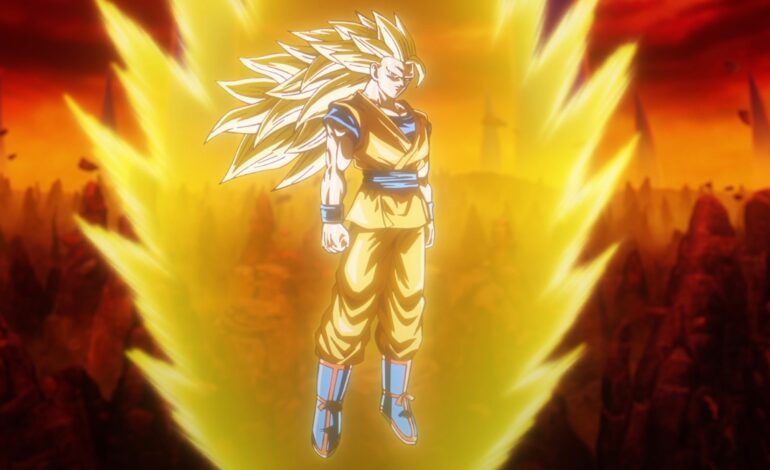
One of the most memorable moments in Dragon Ball Z is when Goku first transforms into Super Saiyan 3. This significant scene is marked by intense emotion and tension. While Japan’s Masako Nozawa provided an impressive performance since 1986, Sean Schemmel, the English voice of Goku, brought a unique ferocity to the moment. His portrayal encapsulates Goku’s rage and determination, as he battles against Majin Buu and Babidi. Shemmel’s physical commitment to the role is evident; he shared stories of passing out in the recording booth during intense scenes, making his performance all the more compelling.
Another iconic line from the franchise occurs during the film Dragon Ball Z: Battle of Gods. In a high-stakes moment between Goku and Beerus, the God of Destruction, Goku exclaims, “I will not let you destroy my world!” This line, delivered with profound intensity by Schemmel, has become a rallying cry among fans. His dedication to the character and willingness to push his vocal limits resonate powerfully, showcasing the strength of the English dub.
Character Complexity and Emotional Range
The complexity of characters like Vegeta adds another layer to the dubbing debate. English voice actor Chris Sabat faced tough competition from the original Japanese voice, Ryo Horikawa. However, Sabat’s portrayal of Vegeta during the “Majin Vegeta” arc stands out. His ability to convey a blend of anger and sadness highlights Vegeta’s internal struggles, particularly as he grapples with the corrupting influence of love and family on Earth.
In a similar vein, the character of Mr. Satan, known as Hercule in some regions, presents unique challenges for dubbing. Initially portrayed as a parody, Mr. Satan’s character takes a serious turn during the Majin Buu Saga. Voice actor Chris Rager navigates this complexity with finesse, skillfully blending humor and desperation during critical moments of the storyline.
Another notable performance comes from Brian Drummond, who voiced Vegeta in the earlier Ocean Group dub. His portrayal during the fight against Recoome is marked by an intensity that stands out even among the seasoned performances of Schemmel and Sabat. Drummond’s raw energy and emotional delivery during this climactic battle resonate strongly with audiences, showcasing the potential of the English dub.
Legacy of Villains and Character Development
The emotional weight of the series is not limited to its heroes. The villains, too, require powerful performances to leave a lasting impact. Dameon Clarke‘s portrayal of Cell is often cited as a high point in the series. His aristocratic delivery and commanding presence captured the essence of the character, making Cell one of the most memorable antagonists in anime history. Clarke’s performance, combined with the memorable “Cell theme” from Funimation, solidified his status in the franchise.
Trunks, the son of Vegeta, also showcases a significant evolution in character through the English dub. While Takeishi Kusao provided a strong foundation in Japanese, Eric Vale elevated the character further with a nuanced performance that blended anger and disbelief. Vale’s work during Trunks’ introduction and pivotal moments against the Androids and Cell reflects the emotional stakes of the narrative, enhancing the overall impact of the story.
The discussion surrounding Dragon Ball’s English dub versus the original Japanese version illustrates the diverse approaches to voice acting in anime. Fans continue to engage passionately over these performances, highlighting the rich tapestry of character development and emotional storytelling within the franchise. As the series continues to evolve, the contributions of these voice actors remain a significant part of what makes Dragon Ball resonate with audiences worldwide.