

New Year Cartoon Sparks Debate on Artistic Freedom
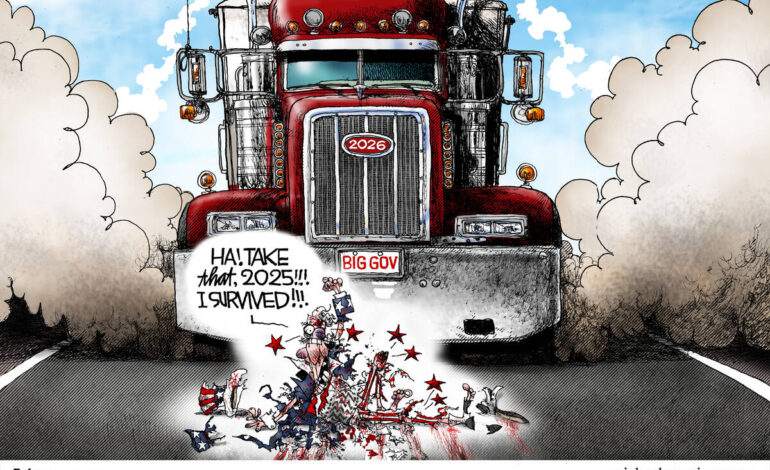

A recent cartoon published on January 1, 2024, has ignited a significant debate regarding artistic freedom and the responsibilities that come with it. The illustration, which some viewers interpreted as controversial, quickly garnered attention across various platforms, prompting discussions among artists, editorial boards, and political figures.
The cartoon depicts a scene that some observers found offensive, while others praised it for its bold commentary on current social issues. This divisive reaction highlights the ongoing tension between creative expression and societal sensitivities, especially in an increasingly polarized environment.
Public Reaction and Artistic Responsibility
Responses to the cartoon have been mixed. Many supporters argue that art should serve as a platform for challenging established norms and provoking thought. They emphasize that satire plays a crucial role in democratic societies, allowing for the exploration of complex themes through humor. As one prominent cartoonist noted, “The essence of satire is to push boundaries and invite dialogue.”
Conversely, critics assert that certain boundaries should not be crossed, especially when it comes to issues that affect marginalized communities. They argue that while artistic expression is essential, it should not come at the expense of empathy and respect for individuals’ experiences. This sentiment resonates with various advocacy groups that emphasize the need for sensitivity in public discourse.
Public opinion has also been significantly influenced by social media. Platforms have become arenas for users to voice their perspectives, further polarizing viewpoints. The cartoon has been shared and discussed extensively, leading to trending hashtags that reflect both support and condemnation.
The Role of Editorial Boards
Editorial boards play a pivotal role in determining which content is published and how it is framed. The decisions made by these boards can significantly impact public perception and discourse. In the case of the controversial cartoon, some editorial boards have defended their choices, stating that publishing challenging content is essential for stimulating discussion. They argue that it is their responsibility to present diverse viewpoints, even when they provoke discomfort.
Others, however, have chosen to distance themselves from similar content, citing a need to prioritize community standards and social responsibility. This divergence in editorial philosophy underscores the complexities faced by media outlets in navigating the fine line between freedom of expression and societal expectations.
As the debate continues, it remains clear that the conversation surrounding artistic freedom and responsibility is far from resolved. The dynamic interplay between creators, audiences, and editorial decisions will shape future discussions and possibly influence how similar content is approached in the coming months.
The impact of this cartoon extends beyond mere artistic expression; it invites a broader examination of how society values differing opinions and the role of art in prompting critical dialogue. As the new year unfolds, the ongoing discourse around this issue may set the tone for future artistic endeavors and the conversations they inspire.