

Grocery Stores Phase Out Mass-Market Paperbacks Amid Changing Trends

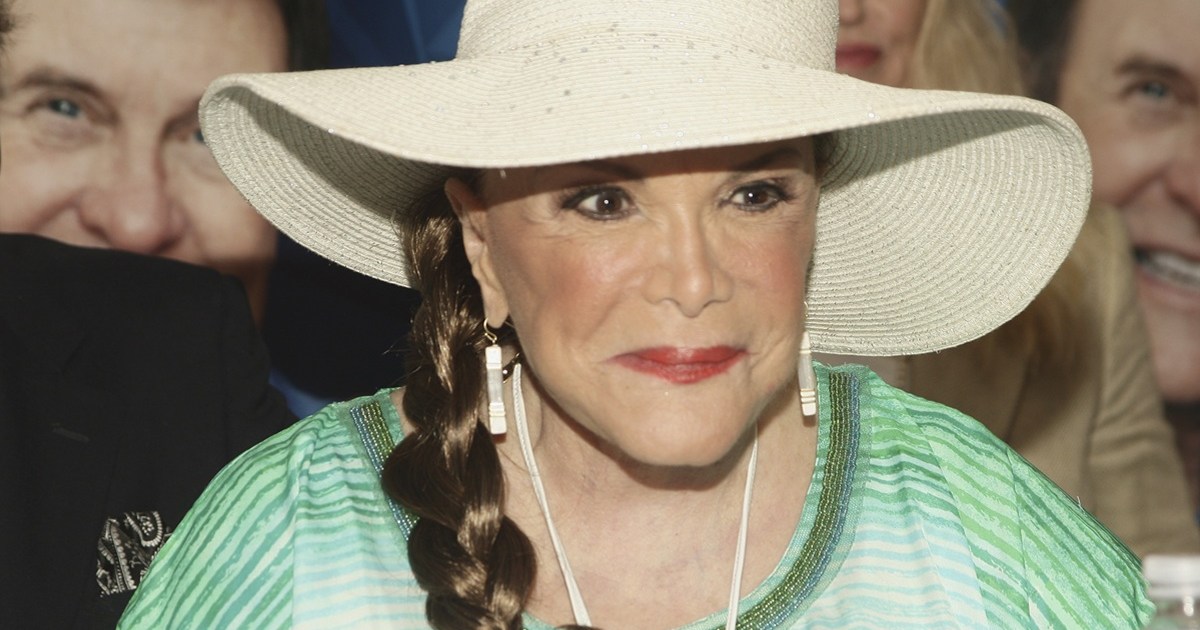
The decline of mass-market paperbacks has reached grocery stores and drug stores, as these once-popular books are increasingly absent from shelves. In an interview with NPR’s Daniel Estrin, publisher Esther Margolis discussed the implications of this trend for the publishing industry and readers alike.
Mass-market paperbacks, known for their affordability and accessibility, were once a common sight in countless retail locations. These books typically sold for around $5 to $10, making them a go-to option for casual readers. However, the changing landscape of consumer preferences and retail strategies has led to a noticeable reduction in their availability.
Shift in Consumer Preferences
The shift away from mass-market paperbacks can be attributed to several factors. Digital reading options have surged in popularity, with e-books and audiobooks providing alternatives that many readers find more convenient. Additionally, the rise of online shopping has diminished the need for physical copies available in local stores. Margolis notes that “the convenience of online platforms has reshaped how readers access content.”
Retailers have also adjusted their inventory strategies to reflect changing consumer behaviors. Many grocery and drug stores have opted to stock fewer books overall, focusing instead on higher-margin items. Margolis emphasized that “the retail environment is evolving, and businesses are prioritizing profitability over product variety.”
The Future of Publishing
The decline of mass-market paperbacks raises questions about the future of the publishing industry. Margolis suggests that while these books may be fading from grocery store racks, there is still a dedicated market for them. “Publishers will need to adapt by finding new distribution methods and exploring different formats to reach readers,” she stated.
As of 2023, the impact of this trend is already visible. Some publishers are shifting their focus to producing higher-quality trade paperbacks or hardcover editions that can be sold at premium prices. The potential for a niche market remains, but the landscape is undoubtedly changing.
Readers who once relied on grocery stores for their reading material may need to adjust their habits. While mass-market paperbacks may no longer be readily available, the evolution of publishing could pave the way for new formats and distribution channels that cater to modern preferences.
The transition away from mass-market paperbacks encapsulates a broader transformation within the retail and publishing sectors. As consumer preferences continue to evolve, the way we access and enjoy literature is likely to follow suit.