


Professors Face Backlash as Gender and Race Education Sparks Controversy
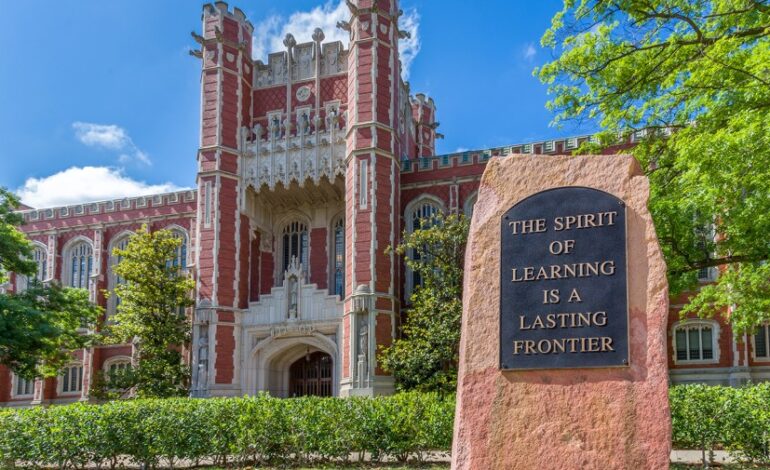

Professors are increasingly facing backlash as tensions rise over the teaching of gender and race in college classrooms. A recent incident at Oklahoma University (OU) highlights this growing conflict, where a student accused her instructor of religious discrimination. The student claimed she received a failing grade on an assignment focused on gender studies, arguing that her emphasis on the Bible was more significant than the assigned reading.
This case is part of a broader trend observed in numerous universities across the United States. Educators in various institutions, including those in Florida and the University of Texas, are grappling with similar accusations as state regulations increasingly scrutinize course content related to gender and race. Critics argue that these restrictions limit academic freedom and hinder open discussions on vital social issues.
The OU incident has sparked a debate about the balance between religious beliefs and academic standards. The student contended that her interpretation of gender through a religious lens was valid, while the instructor maintained that the assignment’s requirements were not met. This clash underscores the challenges educators face when navigating their responsibilities to provide a comprehensive education while adhering to institutional and state guidelines.
In response to the mounting tensions, many professors are voicing concerns about the implications of these controversies on their teaching methods and job security. Some educators feel pressured to alter their curricula to align with evolving state mandates, which they argue stifles critical discourse.
According to a report by the American Association of University Professors, over the past year, there has been a marked increase in incidents where faculty members have faced scrutiny or disciplinary actions for their course content related to race and gender. This trend has prompted discussions about the need for clearer guidelines that protect academic freedom while respecting diverse perspectives.
The controversy extends beyond individual incidents, reflecting a larger cultural and political struggle over education in the United States. Many advocates for academic freedom are calling for protective measures for teachers, arguing that educators should not have to fear repercussions for presenting diverse viewpoints in their classrooms.
As this situation evolves, it remains to be seen how universities will respond to these pressures. The balance between maintaining rigorous academic standards and respecting students’ diverse beliefs presents a complex challenge for institutions navigating these contentious issues.
In conclusion, the ongoing debates surrounding the teaching of gender and race are reshaping the landscape of higher education. With professors increasingly under fire, the implications for academic freedom and educational integrity are profound. Continued dialogue among educators, students, and policymakers will be essential in addressing these critical issues moving forward.