

U.S. Treasury Secretary Bessent Advocates for Looser Financial Regulations
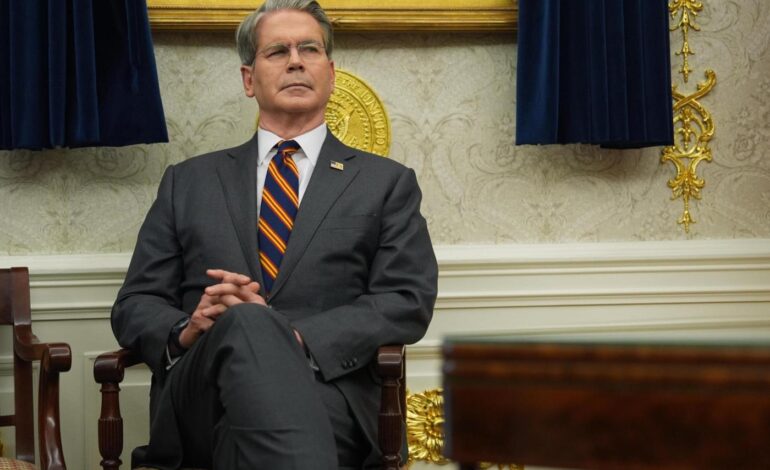

U.S. Treasury Secretary Scott Bessent has proposed significant changes to the Financial Stability Oversight Council (FSOC), advocating for a reduction in regulations governing the nation’s financial system. In a letter released on March 14, 2024, Bessent expressed concerns that previous efforts to enhance financial safety have resulted in cumbersome and often redundant regulations.
The FSOC, established in response to the 2008 financial crisis, plays a crucial role in monitoring risks to the U.S. financial system. It also coordinates the regulatory approaches of various financial authorities. Bessent, who chairs the council, stated that the body will begin evaluating how specific aspects of the financial regulatory framework may impose excessive burdens that could hinder economic growth and, paradoxically, undermine financial stability.
In his letter, Bessent noted, “Our administration is changing that approach.” His remarks were made during a meeting of the FSOC, where he emphasized the need for a more streamlined regulatory environment.
Concerns Raised by Critics
The reaction to Bessent’s proposal has been mixed. Prominent critics, including Senator Elizabeth Warren of Massachusetts, have voiced strong opposition to the idea of loosening financial regulations. Warren cautioned that a hands-off approach to financial oversight could expose the economy to greater risks, especially as current economic indicators suggest emerging vulnerabilities.
Warren stated, “Going down this path just as cracks are emerging in the financial system and yellow lights are flashing across our economy is especially reckless.” She referenced the recent bankruptcies of several firms, including Tricolor Holdings, an auto lender, First Brands, an auto parts company, and Renovo Home Partners, a home remodeling platform, as evidence of the fragility within the financial landscape.
The FSOC’s voting members comprise key financial regulatory leaders, including the chair of the Board of Governors of the Federal Reserve System, the Comptroller of the Currency, the director of the Consumer Financial Protection Bureau, and the chairman of the Securities and Exchange Commission, among others. Their collective insights will critically influence the future direction of U.S. financial regulation.
The Legacy of Dodd-Frank
Since its inception in 2010 under the Dodd-Frank Wall Street Reform and Consumer Protection Act, the FSOC has been pivotal in shaping financial regulatory policies aimed at preventing another economic meltdown. Bessent’s push for regulatory reform marks a potential shift in the framework designed to protect against systemic risks.
As discussions continue within the council, the balance between fostering economic growth and ensuring financial stability remains a contentious issue. The outcomes of these deliberations could have lasting implications for the future of financial regulation in the United States, particularly as the economy shows signs of strain.
With Bessent’s leadership, the FSOC is set to embark on a critical evaluation of its regulatory approach, but the path forward will undoubtedly involve navigating a complex landscape of economic and political challenges.