


Tariff Impact Looms as Trump Faces Tough Choices Ahead of 2026
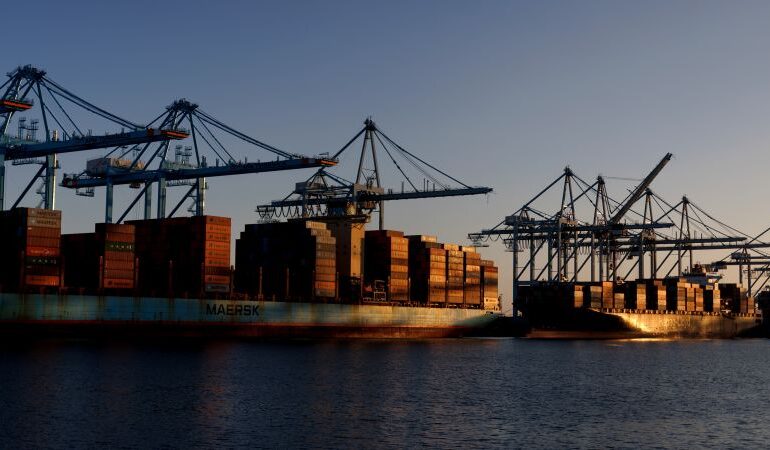

President Donald Trump is facing critical decisions regarding tariffs as the potential for significant price increases looms in 2026. In 2025, the United States collected an additional $187 billion in tariff revenue compared to the previous year, marking a nearly 200% increase. While these tariffs did not drastically impact the cost of living in 2025, experts warn that consumers may soon feel the effects as businesses begin to pass on these costs.
According to JPMorgan, approximately 80% of the tariff burden was initially absorbed by businesses. However, this figure is expected to shift dramatically, with projections indicating that only 20% may be borne by businesses by the end of 2026. Kyle Peacock, a principal at Peacock Tariff Consulting, noted that many businesses initially refrained from passing costs onto consumers but are now compelled to adjust pricing strategies.
As the New Year commences, some businesses have already implemented price increases, while others are strategizing on when to make adjustments. Items with thin profit margins, such as groceries, are likely to be among the first to see price hikes. This situation puts Trump in a challenging position ahead of the midterm elections, where he must decide whether to maintain his tariff policies or ease them to provide relief to consumers grappling with inflation.
The tariffs, which have fluctuated dramatically, began at rates as high as 145% on goods imported from China. Many businesses built extensive inventory stockpiles to mitigate the impact of these tariffs in the previous year. As these stockpiles diminish, companies are forced to procure goods at the higher tariff rates, which they can only absorb for so long. Peacock emphasized that businesses will not increase prices to match the tariffs entirely, given the current economic climate.
Inflation has taken a toll on consumers, with wages growing at a slower pace than in previous years. This has left businesses with limited room to raise prices without risking competitiveness. A report from Goldman Sachs estimated that tariffs contributed to a 0.5% increase in inflation in 2025, correlating with statements from Federal Reserve Chair Jerome Powell indicating that tariffs were responsible for pushing inflation above the central bank’s target of 2%. The year ended with inflation at 2.7%.
The variation in price increases will largely depend on the product category. Grocery suppliers, operating with narrow profit margins, face unique challenges in absorbing tariff costs. Many have struggled to determine the appropriate pricing strategy due to the complex nature of tariff rates, which vary by product and country of origin. One major grocery supplier, who requested anonymity, opted to apply an average tariff rate across all products to simplify their pricing.
A pivotal factor that may influence future pricing is an ongoing Supreme Court case challenging the legality of Trump’s extensive tariff policies. As of December 14, US Customs and Border Protection data indicated that these tariffs had generated $130 billion in revenue. Should the Supreme Court rule against the Trump administration, businesses could potentially receive refunds on tariffs already paid, which would drastically alter the landscape for pricing strategies.
Despite the uncertainty, the Trump administration has hinted at the possibility of imposing additional tariffs if the Supreme Court rules unfavorably. This comes amidst growing affordability concerns that have begun to erode Trump’s favorability among voters. Recently, he has backed off several proposed tariffs on various products, including produce, furniture, and pasta, as part of an effort to mitigate the financial burden on consumers.
Historically, Trump has shown a tendency to reverse tariff threats when faced with political pressure. On April 2, branded “Liberation Day,” he showcased plans for significant tariffs which ultimately did not materialize due to concerns over their impact on the cost of living. The administration has previously implemented exemptions and carveouts on many products to alleviate the financial strain on American consumers.
As the situation evolves, the decisions made by businesses and the government will play a crucial role in determining the economic landscape for 2026 and beyond. With the upcoming Supreme Court ruling and the ongoing implications of existing tariffs, consumers and businesses alike will need to brace for potential changes that could shape their financial realities in the near future.