

Save on Heating Costs: Expert Tips for Winter Energy Savings

As winter approaches, many homeowners are bracing for the impact of colder temperatures on their energy bills. With heating costs expected to rise, effective strategies are essential for managing expenses. ABC4 provides insights into whether it is economical to turn heating systems on and off throughout the winter months, along with practical tips for reducing heating costs.
Should You Turn Your Heating On and Off?
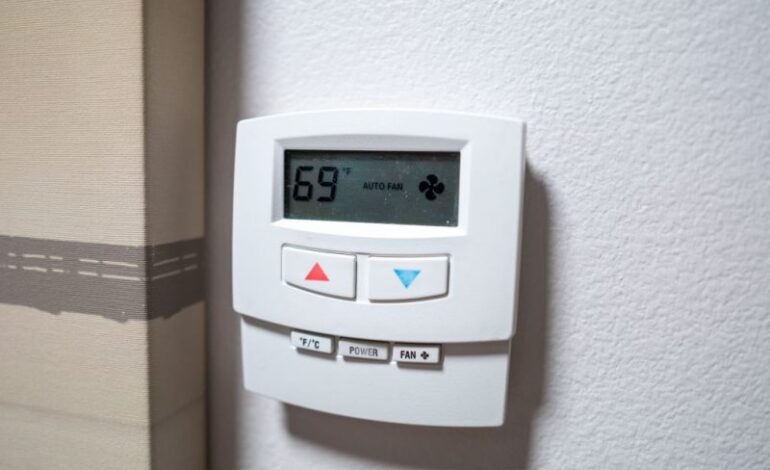
The question of whether to turn heating on and off during the winter can be complex. According to energy experts, leaving your heating system on at a consistent temperature is often more efficient than frequently adjusting the thermostat. When a heating system is turned off for extended periods, it must work harder to warm the home back up to a comfortable level, which can lead to higher energy consumption.
It is generally recommended to maintain a lower, consistent temperature when away from home. The U.S. Department of Energy suggests setting the thermostat to around 18°C (64°F) when no one is home and lowering it further during the night. This approach not only saves on energy costs but also ensures a more comfortable environment upon returning home.
Additional Tips for Reducing Heating Bills
There are several effective strategies homeowners can employ to minimize heating expenses this winter. Sealing drafts around windows and doors can prevent warm air from escaping, leading to improved energy efficiency. Homeowners should consider using weather stripping or caulking to close gaps effectively.
Regular maintenance of heating systems is also crucial. According to the Energy Saving Trust, scheduling an annual service for your heating system can ensure it operates efficiently. A well-maintained system can reduce energy consumption significantly, saving homeowners money in the long run.
Additionally, utilizing programmable thermostats can provide greater control over heating schedules. These devices allow for adjustments based on daily routines, ensuring that heating is only active when needed. Some models can even be controlled remotely via smartphone apps, offering flexibility and convenience.
Investing in insulation can yield long-term savings as well. Proper insulation in attics and walls helps retain heat, meaning less energy is required to keep the home warm. The initial investment in insulation often pays off through reduced energy bills over time.
Lastly, homeowners may want to explore alternative heating solutions, such as space heaters for smaller areas. Using energy-efficient models can provide warmth where it is needed most without the expense of heating the entire home.
With these strategies, homeowners can navigate the winter months more economically while ensuring comfort. Staying informed about energy efficiency not only benefits individual households but contributes to broader efforts in reducing overall energy consumption during the colder seasons.