


Global Economies Suffer as US Tariffs Drive Market Changes

The trade policies initiated by former US President Donald Trump have reverberated beyond American borders, impacting economies worldwide. Shortly after commencing his second term in January, Trump launched a trade war that involved increasing tariffs on numerous countries. As a result, the average US import tax has reached its highest level since the 1930s. The consequences of these tariffs have not only led to rising prices for American consumers but have also inflicted significant economic pain on trading partners.
Economic Contractions in Switzerland, Japan, and Mexico
The effects of the tariffs are evident in a series of economic contractions across various nations. In Switzerland, the economy shrank in the third quarter of 2023 at its fastest rate since the Covid-19 pandemic. The Swiss government attributed this downturn in part to a decline in output from the chemical and pharmaceutical sectors, linking it to the volatility in foreign trade caused by the new US tariffs.
Similarly, Japan experienced an economic contraction during the same quarter, with decreasing exports and a downturn in private residential investment as major contributors to the decline. Just south of the US border, Mexico also faced economic shrinkage, with analysts attributing the downturn to Trump’s unpredictable trade policies, which have undermined business confidence and investment.
Job Losses and Declining Exports in Canada and Brazil
The manufacturing sector in Canada has taken a considerable hit, shedding 36,500 jobs since the start of the year. According to the official Survey of Employment, Payrolls and Hours, the workforce in this sector is now at its lowest level since September 2021. The Canadian Manufacturers & Exporters industry association reported that manufacturing has been one of the hardest-hit sectors due to US tariff actions, severely affecting exports.
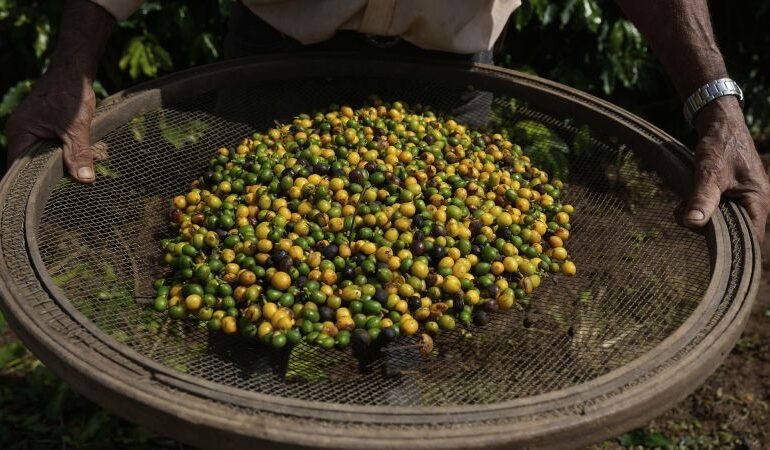
In Brazil, coffee exports to the United States faced a steep tariff of 50% between August and mid-November 2023. This tariff rendered it “practically impossible to export to that market,” according to Márcio Ferreira, president of the Brazilian Coffee Exporters Council. Data from the council revealed that US imports from Brazil, the world’s leading coffee producer, plummeted by more than 50% during this period compared to the previous year. This decline contributed to a 32.2% drop in Brazilian coffee sales to the United States since the beginning of 2023.
Despite the downturn, the United States remains the largest importer of Brazilian coffee, with coffee production and related activities accounting for up to 1.8% of Brazil’s GDP. The country’s agriculture ministry noted that coffee farming employs about 3% of the national workforce, including seasonal and indirect jobs.
The ripple effects of US tariffs extend far beyond national borders, demonstrating the interconnectedness of global economies. As countries grapple with the repercussions, the long-term implications of these trade policies remain uncertain. The evolving landscape highlights the need for a reassessment of international trade relations to mitigate adverse effects on economies worldwide.