

Smart Glasses Transform TikTok Content Creation as 2025 Ends
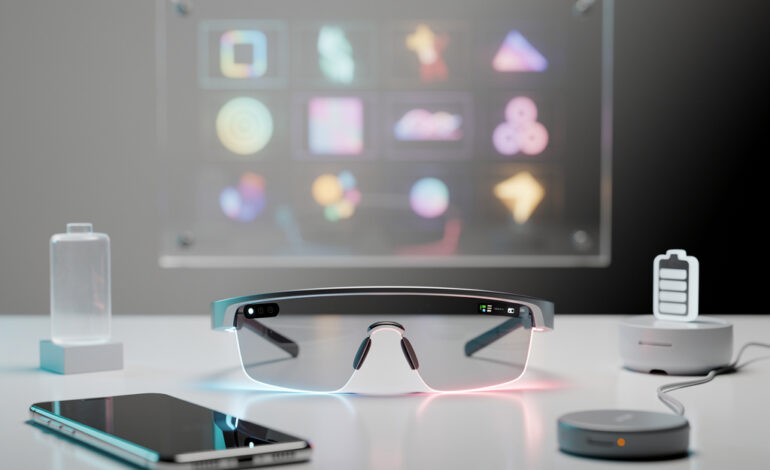

URGENT UPDATE: As 2025 draws to a close, smart glasses are revolutionizing how creators produce content on TikTok. These innovative devices enable users to film hands-free, streamlining the content creation process and fostering greater engagement on the platform.
Recent advancements from companies like Meta and Rokid have made smart glasses not just a trend but an essential tool for millions. The Ray-Ban Meta Smart Glasses are at the forefront, allowing users to record immersive, point-of-view videos directly synced to TikTok without the hassle of traditional smartphone filming.
The demand for authenticity drives this shift. TikTok thrives on raw, spontaneous content, and smart glasses deliver just that. Creators can capture their experiences in real-time—whether walking, cooking, or dancing—leading to a surge in videos tagged with #SmartGlassesTikTok, which has garnered billions of views.
In a significant breakthrough, Rokid’s latest smart glasses feature multiple camera aspect ratios specifically designed for social media. This innovation eliminates the need for cropping or resizing, making it easier than ever to post videos in TikTok’s vertical format. A recent report from Gizmodo highlights the glasses’ efficiency, calling the posting process “less annoying” and far more streamlined.
Moreover, these smart glasses incorporate AI-driven features that augment creativity. Users can add real-time overlays, subtitles, and effects, transforming solo creators into polished producers. Influencers are now live-streaming HD videos directly from their glasses to TikTok, showcasing innovations like calorie counters and memory aids through open-source SDKs.
The integration of smart glasses with social media is part of a larger trend in wearable technology. TechTimes reports that this technological evolution is reshaping daily life, with social media integration proving to be the most disruptive aspect.
Adoption rates are skyrocketing, particularly among Gen Z and millennial creators who dominate TikTok. The resurgence of smart glasses has helped dispel the stigma associated with earlier models like Google Glass. Users are now sharing immersive content that provides a window into their lives, significantly boosting engagement metrics.
Style is also a crucial factor. TikTok trends emphasize fashionable frames, blending Y2K aesthetics with modern technology. Popular hashtags such as #TikTokGlassesTrend feature oversized or sustainable designs that appeal to a growing audience.
Accessibility is another area of growth. AI-powered glasses equipped with real-time captions for the deaf or hard of hearing are making TikTok more inclusive, inspiring new content around these innovations and fostering niche communities.
However, challenges remain. Privacy concerns over built-in cameras and unsolicited recording are under scrutiny, with regulators examining how these devices manage data. Furthermore, battery life and comfort issues persist, although brands like Meta are making strides, improving endurance for extended use.
The competitive landscape is heating up as Meta collaborates with Ray-Ban, positioning itself as a leader, while newcomers like Rokid are providing affordable alternatives. According to a TechCrunch roundup, models with direct TikTok integration are emerging as holiday favorites, reflecting a booming market for smart glasses.
Sales figures are climbing, with industry reports indicating that shipments of smart glasses doubled in 2025. TikTok data reveals a 40% increase in point-of-view videos attributed to these devices, marking a significant shift toward immersive content.
The implications extend beyond TikTok. Users are now streaming to multiple platforms simultaneously, redefining content strategies and making smart glasses a crucial asset for influencers. Health and wellness features, including UV protection and voice control, appeal to outdoor creators, further expanding the market.
Critics caution that reliance on such devices may compromise creativity, transforming spontaneous interactions into scripted performances. Yet, proponents argue that smart glasses empower users, especially those with disabilities, by providing tools like real-time subtitles.
As smart glasses evolve, they are reshaping user experiences on TikTok. Innovations like live streaming from glasses offer unfiltered insights into daily life, enhancing authenticity and engagement. Organizations continue to adapt to regulatory landscapes, ensuring that features like direct posting comply with local laws.
Looking ahead, industry insiders predict that deeper AI integrations, such as predictive editing, will revolutionize content creation further. The fusion of fashion and technology will drive viral challenges, as creators experiment with augmented reality filters through their lenses.
As 2025 concludes, smart glasses stand at the forefront of a content creation revolution, transforming TikTok into a platform where posting is faster, more intuitive, and deeply engaging for creators worldwide. With ongoing innovations, the boundary between observer and participant continues to blur, ushering in a new era of social media.