


Cellphone Data Crucial in 2025’s High-Profile Crime Cases
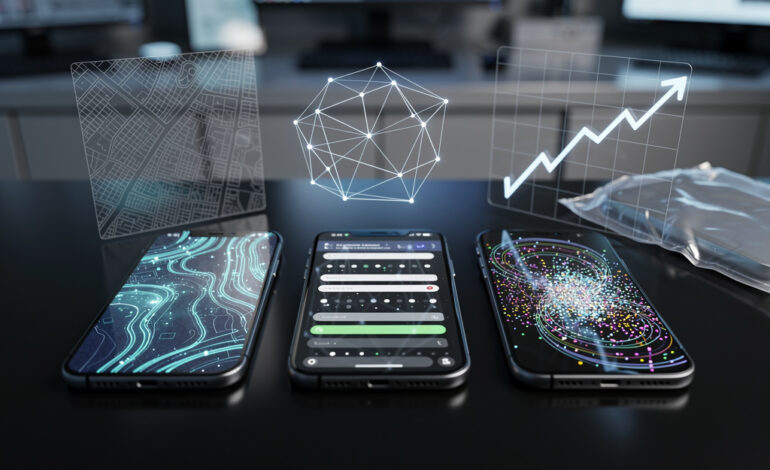

UPDATE: As 2025 nears its end, cellphone data has emerged as a pivotal tool in solving some of the year’s most notorious crimes, sparking intense debates over privacy and digital evidence collection. Forensic experts assert that these devices are “crime scenes in your pocket,” enabling law enforcement to unravel complex cases with unprecedented precision.
In the high-profile Karen Read trial, accused of fatally hitting her boyfriend, Boston police officer John O’Keefe, cellphone records were crucial. Prosecutors revealed data showing Read’s SUV reversing at high speed near the crime scene, corroborated by health metrics from O’Keefe’s phone. However, the defense challenged data extraction methods, highlighting ongoing concerns about the integrity of digital evidence in courtrooms.
Cellphone data has not only influenced individual trials but also transformed forensic methodologies. Tools like Cellebrite and Axiom allow experts to extract extensive data, including call logs and geolocation history. For instance, a recent extraction from an iPhone 15 Pro Max yielded a staggering 56GB of information, providing vital timelines for suspects and victims alike.
In the chilling case of the Idaho murders, where Bryan Kohberger faced charges for the stabbing deaths of four University of Idaho students, cellphone data was instrumental. Investigators tracked Kohberger’s phone via tower pings and GPS records, placing him near the crime scene multiple times before the incident. This digital trail significantly contributed to his guilty plea earlier this year, showcasing the technology’s accuracy in pinpointing locations within 5,000 feet.
Despite its effectiveness, reliance on cellphone evidence raises serious privacy concerns. Advocacy groups argue that accessing such comprehensive data may infringe on Fourth Amendment rights. A recent systematic review highlights challenges related to data encryption and the potential overreach of law enforcement in acquiring personal information.
Cellphone data’s utility extends beyond violent crimes, as evidenced by a surge in digital arrest scams in Mumbai. Investigations into these scams relied heavily on call records and IP traces from victims’ phones, underscoring the global nature of digital evidence in combating crime.
Advancements in extraction technology have made cellphone data more accessible, but experts warn of the need for rigorous standards. Legal commentator Emily D. Baker emphasized the importance of maintaining data integrity from collection to courtroom presentation. In high-stakes cases, discrepancies in GPS accuracy have raised doubts about investigative methods and outcomes.
As cellphone security features evolve, extracting data has become increasingly complex. Enhanced encryption from Apple and privacy measures from Android devices complicate forensic investigations. However, experts like Morgan assert that even locked phones leave “digital breadcrumbs,” which can provide critical evidence if handled correctly.
The drop in U.S. crime rates in 2025, as noted in reports from NPR, is partially attributed to technology-driven policing strategies that leverage cellphone data to resolve violent crimes swiftly. This trend, observed across various regions, suggests that proactive use of digital evidence can deter crime by enhancing the likelihood of apprehension.
In India, the top cybercrime cases of 2025 highlighted significant financial losses from phishing and ransomware attacks, with phone data analysis playing a crucial role in tracing perpetrators. Official figures indicate a policy shift towards improved cyber forensics, echoing U.S. efforts to integrate AI into data analysis.
Despite these advancements, ethical dilemmas persist. Legal expert Andrea Burkhart noted that while the data from phones is invaluable, the extraction process can disrupt lives, raising questions about the balance between justice and individual rights.
Looking ahead, experts predict further integration of AI to manage vast amounts of data. The challenges of data overload necessitate the development of efficient analytical frameworks. Morgan’s “crime scene in your pocket” metaphor encapsulates the evolving landscape of digital forensics and its impact on justice.
As cellphone data continues to dominate criminal investigations, the arms race between device manufacturers and forensic tools intensifies. With the potential for encrypted apps to complicate investigations, law enforcement agencies must adapt and invest in training to keep pace with technological advancements.
In summary, the role of cellphone data in 2025’s defining criminal cases marks a paradigm shift in evidence gathering and law enforcement practices. As these devices become more integral to solving crimes, the conversation around privacy, ethics, and technological innovation will only grow more urgent.