
Trust Erodes: Urgent Call for Critical Thinking Amid Polarization
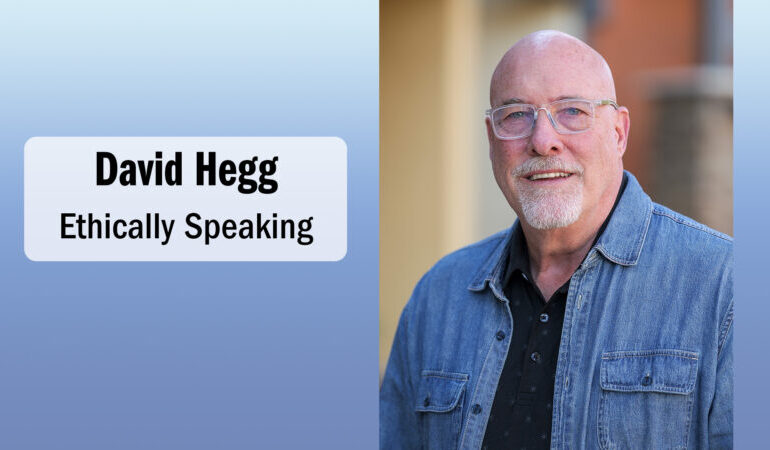

URGENT UPDATE: A new opinion piece by David Hegg, senior pastor of Grace Baptist Church, highlights the alarming decline of trust in society following the COVID-19 pandemic. Hegg asserts that skepticism has transformed the American landscape, leading to a dangerous polarization of beliefs.
The article, published in the Santa Clarita Valley Signal, emphasizes that many Americans now only accept information that aligns with their pre-existing beliefs. This growing divide has resulted in a troubling inability to engage with differing viewpoints, with media outlets like Fox News and MSNBC reinforcing these biases.
“We’ve become so divisive that we only believe what ‘our side’ is saying,” Hegg warns, underscoring the consequences of this “my side is always true” mentality. The editorial calls for readers to challenge their own perspectives and seek out diverse sources of information as we approach the New Year.
With 2026 on the horizon, Hegg urges a collective effort to bridge the political divide. “Instead of worrying about national politics, let’s focus on nonpartisan issues that improve our communities,” he states, advocating for constructive dialogue between opposing views.
Hegg provides several actionable steps to foster critical thinking, including:
- Disregarding biased language and personal attacks when evaluating arguments.
- Insisting on verifiable facts rather than accepting biased interpretations.
- Engaging with news from all sides to gain a fuller understanding of complex issues.
The urgency of this message resonates as trust continues to erode in public discourse. Hegg emphasizes the importance of critical engagement, stating, “Take it from me, the only purpose behind my writing is to get you to think!”
As we stand on the brink of a new year, Hegg’s reflections serve as a wake-up call for individuals to reconsider their information consumption and promote unity. “Who knows? 2026 may bring us greater clarity, stability, and progress than we thought possible,” he concludes.
This compelling call for introspection and dialogue is not just timely; it is essential for a healthier, more connected society. Readers are encouraged to share this message widely as a step toward rebuilding trust and fostering understanding.