Waymo Sues Santa Monica to Block Overnight Charging Ban
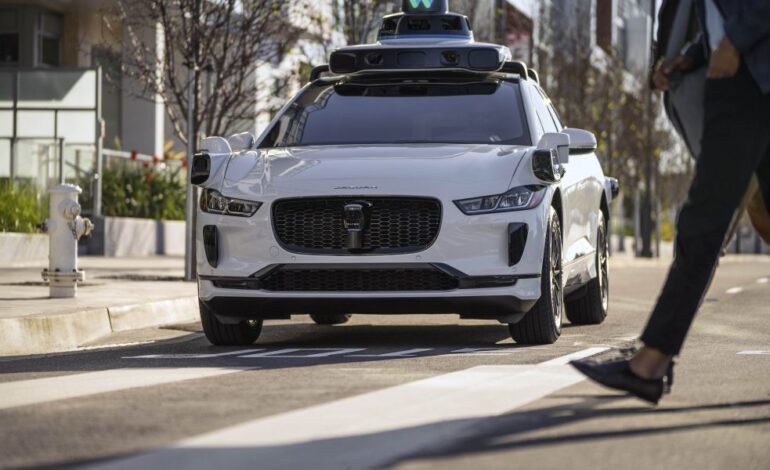

URGENT UPDATE: Waymo has just filed a lawsuit against the city of Santa Monica, seeking to block an order to halt overnight charging sessions for its self-driving vehicles. The lawsuit was submitted to the Los Angeles County Superior Court after the city declared that Waymo’s operations at two charging facilities were a public nuisance to local residents.
In its complaint, Waymo argues that compliance with Santa Monica’s order would lead to irreparable harm to the company’s operations. The legal action comes after residents reported significant disturbances caused by the incessant beeping of autonomous taxis moving in and out of the charging stations at all hours. Frustrated locals have protested by blocking Waymo vehicles and calling the police multiple times.
Santa Monica’s order, issued last month, demands that Waymo and its charging partner, Voltera, cease overnight operations at their sites located at Euclid Street and Broadway. This ban follows complaints from residents who have struggled to sleep due to the nighttime activity of Waymo’s self-driving fleet.
Waymo’s facilities have been operational for approximately one year, facilitating over one million trips in Santa Monica since their launch, with over 50,000 rides starting or ending in the area just last month. The company emphasized that the city was aware of its 24/7 operations from the outset.
In a statement, a Waymo spokesperson expressed disappointment at the city’s decision, stating,
“We are disappointed that the City has chosen an adversarial path over a collaborative one.”
The spokesperson added that the city’s stance implies that no measures proposed by Waymo would be acceptable to the complaining residents.
Waymo’s complaint asserts that its activities do not constitute a public nuisance and highlights the urgent need for the company to continue operations to protect its business interests. The lawsuit argues that the order threatens the livelihoods of employees and the satisfaction of customers relying on the service.
As tensions rise between the tech giant and local government, residents continue to voice their frustrations with the nighttime disturbances. The outcome of this lawsuit could have significant implications for the future of autonomous vehicle operations in urban areas, particularly as cities grapple with balancing technological advancements and community impact.
WHAT’S NEXT: The case is developing, and both parties are expected to present their arguments in court soon. The situation remains fluid as residents, city officials, and Waymo navigate the contentious issues surrounding autonomous vehicle operations and their impact on local neighborhoods. Stay tuned for updates as this story unfolds.