

Target Faces Challenges as New CEO Plans Major Revamp
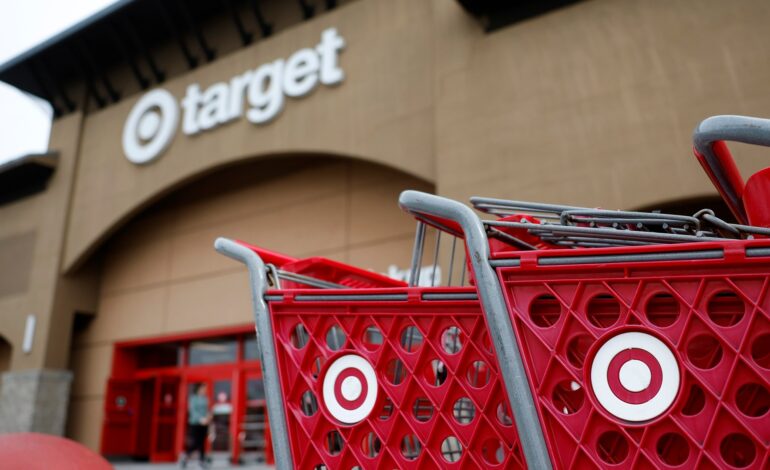

Target’s incoming CEO, Michael Fiddelke, has expressed that the company is “far from satisfied” with its recent earnings results. To address these concerns, Target plans to implement three key strategies aimed at revitalizing its operations. Retail experts, however, caution that the company is at a critical juncture. “They’re on the path if they don’t act now,” warns Albert Varkki, co-founder of the premium leather accessories brand Von Baer.
Despite some positive initiatives, Target’s performance during the recent Black Friday shopping event raised eyebrows. The company experienced flat foot traffic compared to its competitors. In stark contrast, Sam’s Club and Lowe’s reported a 9.7% increase in customer visits on Black Friday. Although Walmart saw a modest 2.1% rise in traffic, it still outperformed Target. According to Newsweek, Walmart welcomed approximately 30 million shoppers across its more than 4,000 locations.
In an attempt to attract consumers, Target announced a giveaway of 100 swag bags at store openings on Black Friday. Customers waited in long lines, hoping to secure prizes valued between $99 and $350. However, many shoppers left disappointed. The bags contained only a few mundane items, including a pack of Uno cards and a single-use shampoo. “I waited in line six hours for THIS!?” lamented one shopper in a TikTok video.
Experts weighed in on this promotional misstep. Ellis Verdi, founder of advertising agency DeVito/Verdi, noted that the promotion could have generated significant buzz. He remarked that past promotional bags were filled with unique items that sparked discussion. “This year, their idea went viral for all the wrong reasons,” he stated, adding it was a missed opportunity for Target.
Target’s struggles are compounded by recent boycotts that began in 2025. These protests were sparked by the company’s decisions to scale back on its diversity, equity, and inclusion (DEI) initiatives, as well as its reduced product offerings for Pride Month. Scott Benedict, founder and CEO of Benedict Enterprises LLC, indicated that these boycotts have eroded trust within key consumer groups. “This backlash occurred at a time when Target could least afford distractions,” he explained.
Despite the challenges, Benedict emphasized that Target’s brand still holds value, particularly its private-label products and real estate assets. To regain consumer trust, he believes Target needs to refocus on improving the in-store experience and ensuring a reliable supply chain.
Fiddelke, who will officially take the helm on February 1, 2025, has outlined plans to enhance customer interactions. He emphasized the importance of prioritizing employee engagement to boost customer service. “Every hour we save is being reinvested to allow more guest interaction, with a focus on friendliness and service,” he stated during a recent earnings call.
Nevertheless, some experts caution that improving employee-customer interactions requires more than just a shift in focus. David Richie, President of Totally Home Furniture and The Bean Bag Store, argued that Target must hire additional staff and provide adequate training to ensure employees can offer meaningful assistance. “Simply offering better customer service will not be enough unless employees have the necessary knowledge,” he pointed out.
As Fiddelke steps into his new role, industry analysts see this transition as a pivotal moment for Target. Benedict described this leadership change as an opportunity to rebuild confidence and focus on operational excellence. “If the new CEO can reconnect the organization to Target’s original cultural DNA — where style, service, and value intersected — the brand can absolutely recover,” he noted.
Looking forward, Varkki predicts that Target may close between 50 and 100 stores over the next three years, potentially shifting its focus toward suburban locations. While he believes Target will survive, he foresees it becoming a smaller, less prominent player in the retail landscape. “The real problem Target faces isn’t its strategies or boycotts but its real estate,” he concluded, highlighting the challenge of long-term leases in areas where foot traffic has permanently declined.
In summary, Target’s leadership transition comes at a time of heightened scrutiny. With the right strategies, the company has the potential to regain its footing, but it must act decisively to avoid further decline.