

ICJ to Begin Landmark Genocide Hearings on Myanmar in January

The International Court of Justice (ICJ) will commence public hearings in January 2024 regarding accusations of genocide against Myanmar’s Rohingya community. This case, initiated by The Gambia, marks a significant moment in international law as it is the first genocide case the court has examined on its merits in over a decade. The hearings are scheduled from January 12 to January 20, 2024.
In the first phase, from January 12 to January 15, The Gambia will present its arguments, asserting that Myanmar’s military and Buddhist militias engaged in systematic violence against the Rohingya, a predominantly Muslim ethnic group. The country, backed by the Organisation for Islamic Cooperation, filed the case in 2019, alleging violations of the UN Genocide Convention during a brutal crackdown that commenced in August 2017. Myanmar has consistently denied the allegations of genocide.
From January 16 to January 20, Myanmar will have the opportunity to respond to the accusations. Notably, the ICJ has allocated three days specifically for the examination of witnesses, although these sessions will be closed to the public and media. According to the ICJ, these hearings will focus on the merits of the case, incorporating both witness testimony and expert opinions.
The Gambia’s Minister of Justice, Dawda Jallow, expressed hope for a verdict “soon after” the hearings, emphasizing the case’s importance. “We filed our case in November 2019, almost six years ago,” Jallow stated at a recent UN General Assembly meeting. “The Gambia will present its case as to why Myanmar is responsible for the Rohingya genocide and must make reparations to its victims.”
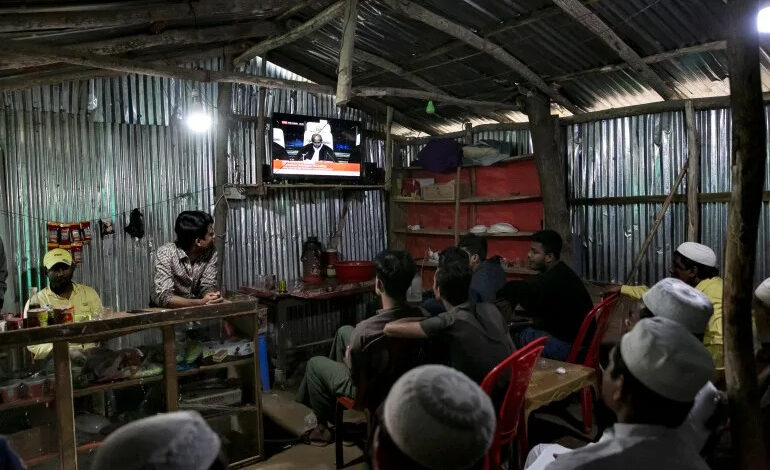
The backdrop of this case is dire. Over **742,000 Rohingya** fled Myanmar due to violent attacks, including reports of murders and widespread destruction of villages. As the military’s ethnic cleansing escalated, many Rohingya sought refuge in neighbouring Bangladesh. Currently, **more than one million** Rohingya reside in Cox’s Bazar, the world’s largest refugee camp, living in precarious and impoverished conditions.
Wai Wai Nu, executive director of the Women’s Peace Network-Myanmar, highlighted the significance of international support for The Gambia’s case. She pointed out that the number of countries intervening in support of this case is “very powerful.” Nu urged the UN Security Council to take action to address the ongoing violence in Rakhine State.
The ICJ’s ruling could have broader implications, potentially influencing other international legal cases, including South Africa’s proceedings against Israel concerning the ongoing conflict in Gaza. As the court prepares to hear testimonies and arguments, the world watches closely, hoping for justice and accountability in a situation that has devastated countless lives.