
Early Detection of Scoliosis: Symptoms and Effective Treatments
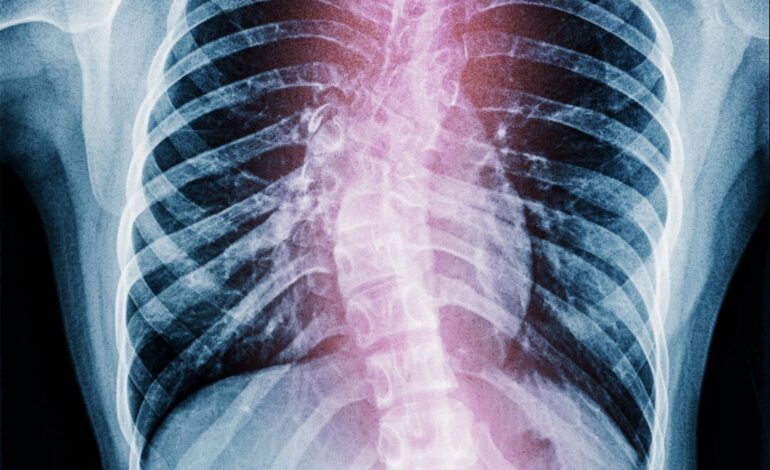

Many individuals experience unexplained lower back pain, uneven shoulders, or an unsteady gait, which can indicate a more serious issue: spinal misalignment due to scoliosis. Experts highlight that these early symptoms often go unnoticed until the condition advances significantly, potentially leading to severe complications such as impaired breathing or nerve function.
According to Xie Bingxian, an attending neurosurgeon at National Yang Ming Chiao Tung University Hospital, “Many people don’t notice anything is wrong until their condition becomes severe.” This underscores the importance of early detection and intervention for scoliosis, a condition that is both more common and frequently overlooked than many realize.
Understanding Scoliosis
Scoliosis is characterized by an abnormal curvature of the spine, affecting individuals of all ages. While some forms are congenital, others develop during adolescence or adulthood. The symptoms can vary widely, ranging from mild to severe, and include not only back pain but also noticeable postural changes.
Many individuals fail to associate their subtle symptoms with scoliosis, often attributing them to muscle strain or general fatigue. However, as the condition progresses, it can lead to complications that significantly impact quality of life. According to various studies, early intervention can stabilize or even improve the condition, reducing the risk of serious health issues later on.
Effective Treatments
The good news for those affected is that when scoliosis is detected early, treatment options can be effective. Traditional Chinese Medicine (TCM) is gaining recognition as a gentle, muscle-focused approach that many patients find beneficial. Treatments may include acupuncture, herbal therapies, and specific exercises aimed at improving spinal alignment and overall muscle strength.
For patients diagnosed with moderate scoliosis, TCM offers an alternative to more invasive treatments such as surgery. This holistic approach emphasizes not only physical alignment but also the body’s natural healing processes. As more healthcare professionals explore integrative methods, the potential for improved patient outcomes continues to grow.
In conclusion, recognizing the early signs of scoliosis is crucial for effective management and treatment. With the right approach, including TCM and other therapeutic modalities, individuals can take proactive steps toward enhancing their spinal health and overall well-being. Addressing these issues early can prevent the progression of scoliosis and its associated complications, emphasizing the importance of awareness and timely intervention.