


Europe Faces Security Challenges Amidst U.S. and Russian Tensions
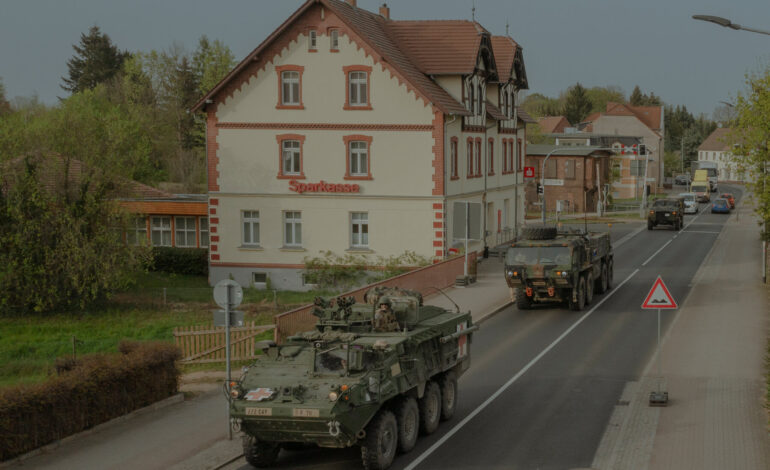

The security landscape in Europe is increasingly precarious as tensions rise between Russia and the United States. With critical decisions regarding Ukraine’s future on the horizon, European nations are grappling with the implications of shifting geopolitical allegiances. The situation demands urgent attention, especially as the NATO summit approaches in February 2024.
Europe is caught in a complex web of relationships. On one side stands Russia, whose aggressive posture towards Ukraine continues to be a source of concern. On the other, the United States is navigating its own internal political dynamics, which may affect its commitment to European security. This dual pressure complicates Europe’s response to ongoing conflicts and raises questions about its strategic autonomy.
The ramifications of these tensions are felt across the continent. European leaders are tasked with making critical decisions that will shape not only their immediate security policies but also the long-term stability of the region. The specter of Russian expansionism looms large, particularly in light of ongoing military operations in Ukraine. As President Joe Biden reassesses U.S. foreign policy, European nations are left to ponder their next steps without a clear commitment from their traditional ally.
At the heart of the issue is the fate of Ukraine, which has become a battleground not just for territorial integrity but for the broader principles of sovereignty and self-determination. The European Union, along with NATO, has expressed solidarity with Ukraine, yet the effectiveness of this support remains to be seen. The stakes are high, and the decisions made in the coming weeks could alter the balance of power in Europe for years to come.
As discussions around security intensify, European leaders are also exploring alternative strategies to bolster their defenses. Some nations are advocating for increased military spending and a more unified defense strategy within the European Union. This push for greater autonomy reflects a growing recognition that Europe must be prepared to stand firm against external threats, regardless of U.S. involvement.
The upcoming NATO summit will serve as a critical platform for these discussions. European leaders are expected to present a united front, demonstrating their commitment to collective security. However, the effectiveness of these efforts will depend on their ability to navigate the complexities of their relationships with both the U.S. and Russia.
In conclusion, Europe is at a crossroads. The challenges it faces extend beyond the influence of any single leader or nation. As the continent grapples with the implications of its geopolitical situation, the need for cohesive action becomes increasingly evident. The decisions made in the near future will not only impact Ukraine but also define Europe’s security architecture in a rapidly changing world.