

Air New Zealand Advances Electric and Hydrogen Aircraft Testing

Air New Zealand has embarked on a significant initiative to test new generations of electric and hydrogen-powered aircraft. The four-month “intensive proving program” aims to explore sustainable flight options, a crucial step in addressing the aviation industry’s substantial contribution to global vehicle-based pollution. With air travel being a major source of greenhouse gas emissions, including carbon dioxide and sulfur oxides, the need for innovative aircraft technology has never been more pressing.
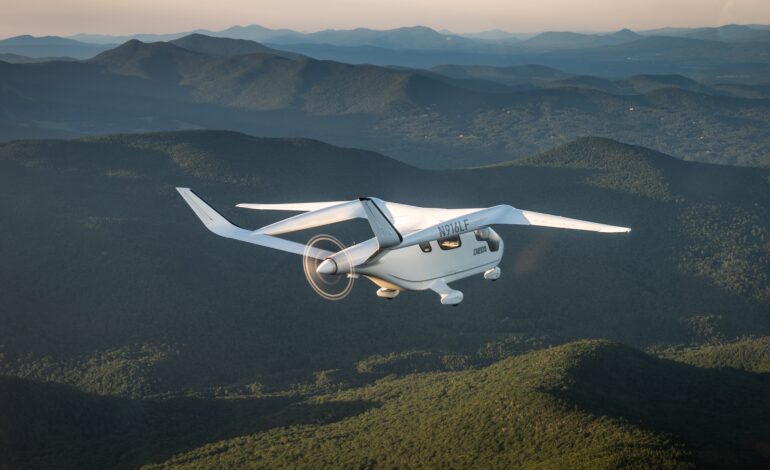
The trials commenced in November 2023, with the airline overseeing small cargo flights using the ALIA CX300, developed by the United States-based company BETA Technologies. This aircraft is designed for conventional takeoff and landing, making it compatible with existing airport infrastructures. The two-pilot ALIA CX300 is equipped with 65 kW chargers, enabling it to recharge in approximately 90 minutes. This rapid charging capability facilitates daily operations across multiple routes.
Despite its smaller size compared to traditional cargo planes, the ALIA CX300 can transport around 200 cubic feet of cargo over distances of nearly 400 kilometers (approximately 250 miles). This range is significant, given that around 60 percent of regional flights in New Zealand are under 350 kilometers (217 miles). According to Nikhil Ravishankar, CEO of Air New Zealand, “around 85 percent of our electricity is renewable,” which positions the country as an ideal testing ground for next-generation aircraft technologies.
Hydrogen Fuel Developments
In conjunction with the electric aircraft trials, Air New Zealand is part of a consortium of engineering and aviation firms developing a new type of hydrogen fuel tank. Hydrogen fuel has long been viewed as a potential alternative to fossil fuels, but it faced challenges related to cost and feasibility. Recent advancements indicate a promising future for hydrogen-powered aircraft, with trials set to take place at Christchurch Airport on New Zealand’s South Island.
Christopher Boyle, managing director of the engineering group Fabrum, stated, “By bringing all the elements together for the first time on site at an international airport—producing, storing and dispensing liquid hydrogen into composite aviation tanks as fuel—we’re proving that liquid hydrogen technologies for aircraft are now available.” This initiative underscores the growing potential of hydrogen-electric flight, moving closer to reality.
As Air New Zealand progresses with its testing programs, the implications for sustainable aviation are significant. The airline is not only exploring innovative technologies but also contributing to a broader movement toward environmental responsibility in air travel. With the aviation sector under pressure to reduce its carbon footprint, these trials may represent a pivotal shift in how air travel operates in the future.
Ultimately, the success of Air New Zealand’s electric and hydrogen aircraft initiatives could pave the way for a new era of sustainable flight—one that aligns with global efforts to combat climate change and reduce pollution.