
Scientists Test Menstrual Cups in Space for Future Missions
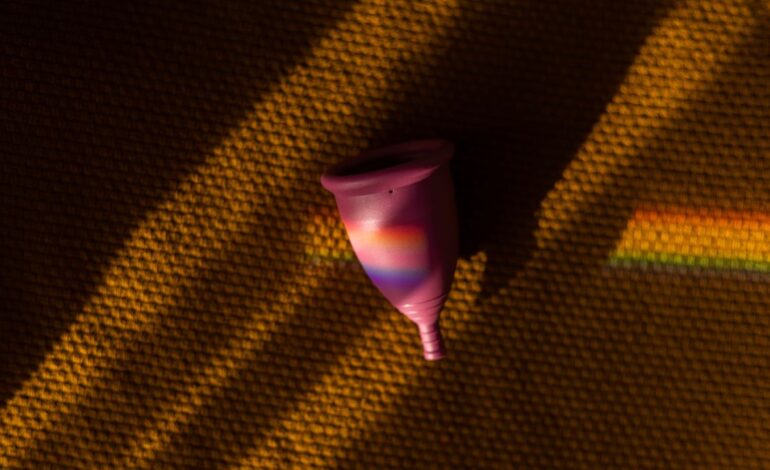

Researchers have successfully tested menstrual cups in space, paving the way for better management of menstruation during future missions. In 2022, the research group AstroCup conducted an experiment by sending two menstrual cups made by Lunette aboard an uncrewed rocket. The flight lasted approximately nine minutes, reaching an altitude of 1.9 miles (3 kilometers), exposing the cups to conditions that mimic the stresses of space travel.
The main goal of this experiment was to determine how well these reusable menstrual products could withstand the rigors of spaceflight. The results, published on December 2, 2023, in the journal NPJ Women’s Health, revealed that the cups maintained their structural integrity and did not degrade, even when tested with liquids such as glycerol and water.
Addressing Menstrual Health in Space
Menstrual cups, which are flexible silicone containers used to collect menstrual fluid, have gained popularity as a sustainable alternative to traditional single-use products like tampons and pads. One of the key advantages of menstrual cups is their longevity; a single cup can last for years, significantly reducing waste.
While many female astronauts currently manage their menstrual cycles through hormonal suppression, the prospect of long-term space missions necessitates a more robust solution. The recycling systems on spacecraft have not been designed to handle menstrual products, and using single-use items generates additional waste. Given these challenges, AstroCup researchers view menstrual cups as a promising option to support women’s health in space.
Lígia Coelho, an astrobiologist at Cornell University and the lead author of the study, emphasized the importance of this research: “Now we can start implementing and redefine health autonomy in space.” The study aims to further investigate how menstrual cups perform under reduced gravity and during extended missions, where the removal and management of the product may become more complex.
The Future of Menstrual Health in Space
Temporarily stopping menstruation through hormonal birth control is a common practice for many women on Earth. This method can alleviate menstrual symptoms and reduce the need for menstrual products in space. However, the authors of the study acknowledged that not all astronauts may prefer to suppress their cycles, making effective management of menstruation vital for future missions to the Moon and Mars.
Current research on hormonal options, such as intrauterine devices (IUDs), is limited, particularly regarding their efficacy in space. While IUDs may reduce menstrual flow, they can also cause breakthrough bleeding, presenting challenges for astronauts. The authors highlighted potential side effects associated with hormonal contraceptives, including blood clot risks and impacts on bone density, which require further investigation.
As humanity prepares for longer missions beyond Earth, ensuring women’s autonomy over their menstrual health becomes increasingly important. Coelho and her team plan to conduct additional experiments on the International Space Station to compare various menstrual products and assess their effectiveness in space environments.
Overall, this research represents a critical step in facilitating a more inclusive approach to space exploration, allowing for longer missions and respecting the health needs of all astronauts. The full implications of this study extend far beyond menstrual health, opening doors for broader discussions on health autonomy in space.