


Indiana House Approves Controversial Redistricting Bill Amid GOP Divisions
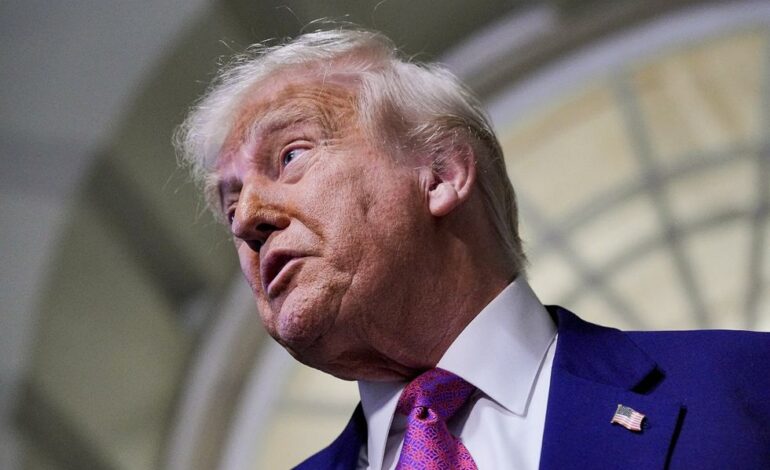

The Indiana House voted on March 15, 2024, to advance a Republican-backed bill aimed at redrawing the state’s congressional districts. This decision comes despite resistance from some within the Republican Party and will now move to the Senate for further consideration. The redistricting initiative, which was influenced by former President Donald Trump, seeks to bolster GOP control of the U.S. House of Representatives ahead of the midterm elections in 2026.
While the House passed the bill, it is expected to encounter challenges in the Indiana Senate, where several Republican senators have expressed opposition. Rod Bray, the President Pro Tempore of the Indiana Senate, has stated that there are insufficient votes to support the proposed redistricting plan.
Critics of the bill, including Indiana Senate Minority Leader Shelli Yoder, have raised concerns about its implications for voter representation. Yoder argued that the legislation undermines community integrity and prioritizes political power over the needs of constituents. In a statement, she remarked, “This bill tears apart communities, strips voters of representation they voted for and hands control to national figures who are more interested in cementing absolute power rather than solving any problems. Hoosiers should pick their leaders. Politicians should not redraw the map to pick the voters. Hoosiers don’t cheat and this bill does.”
In contrast, Indiana Governor Mike Braun has been vocal in his support for the redistricting efforts. He emphasized that “fair maps are essential to protecting Hoosiers’ voices in Washington,” praising the House’s decision to approve the bill. Braun urged the Senate to act swiftly, stating, “I commend Speaker Huston and his caucus for having the courage to protect Hoosier voters. I urge the Senate to move quickly next week and adopt this map so Indiana can move forward with confidence.”
As this contentious issue progresses to the Senate, the outcome remains uncertain. The debate around redistricting in Indiana reflects broader national discussions on electoral fairness and representation, with potential implications for the political landscape in the upcoming elections.
The situation exemplifies the complexities of gerrymandering debates across the United States, as various stakeholders weigh the balance between political strategy and fair representation.